 English
  français
  Deutsch
  Español
  italiano
  português
  tiếng việt
  Türkçe
  slovenský
  slovenčina
  беларускі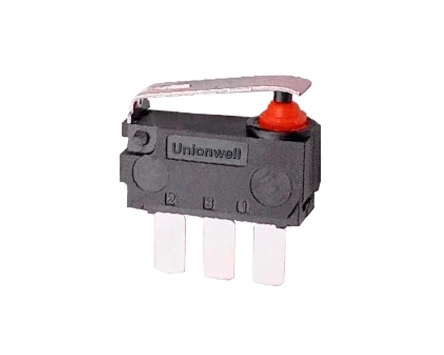
Global_Safety_Approvals_Basic_Micro_Switch_G5.webp "Global Safety Approvals Basic Micro Switch G5")





RM1311, Renfeng Building, No. 490, Tianhe Road, Tianhe District, Guangzhou, Guangdong, China, 510630.
Factory Address:No. 9 Park Avenue, Longmen County, Huizhou City, Guangdong Province, China

Micro switches for home appliances are snap action switches with a quick-acting mechanism, widely used in safety detection and function switching modules of home appliances such as washing machines, refrigerators, dishwashers, microwave ovens, and coffee makers. Unionwell has been deeply involved in the home micro switch industry for over 20 years, providing reliable and professional OEM home micro switch solutions for major well-known appliance brands.
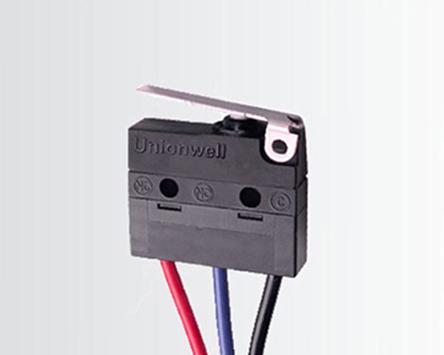
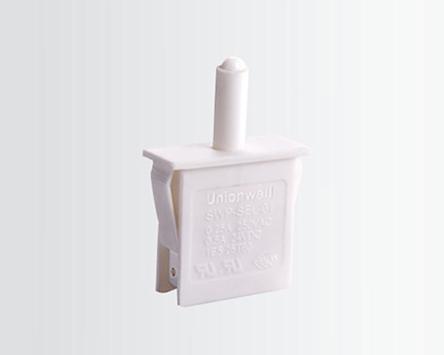
Different home appliances require different types of micro switches. Unionwell offers a variety of micro switch solutions for home appliances, including basic, miniature, ultra-miniature, and waterproof micro switches, to meet the selection needs of different OEMs in terms of structural design and application environments.
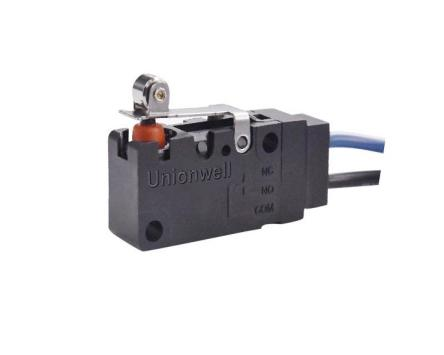
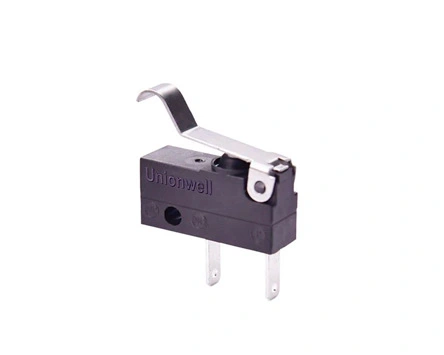
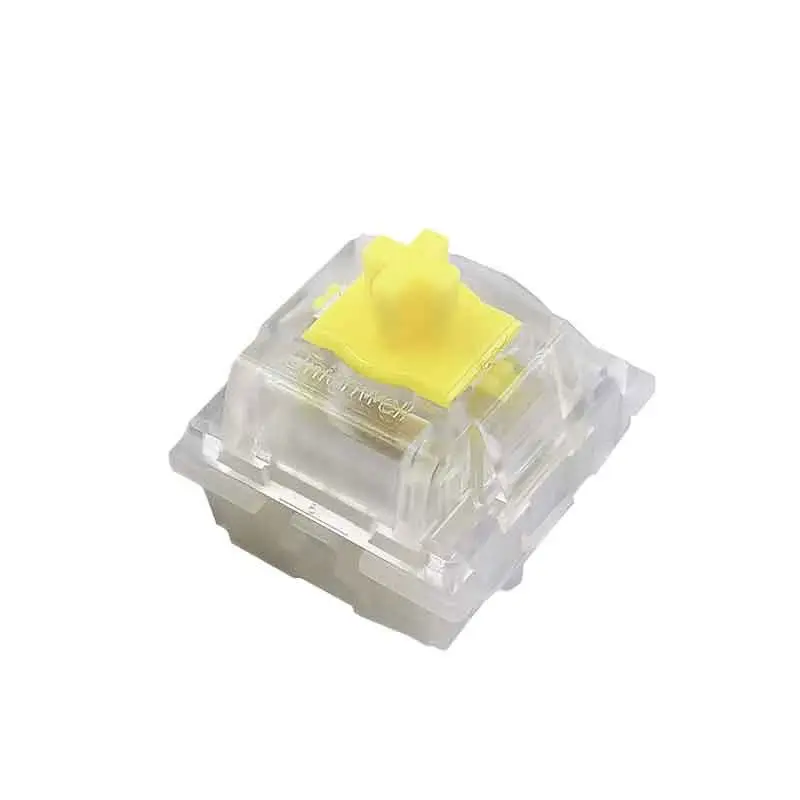
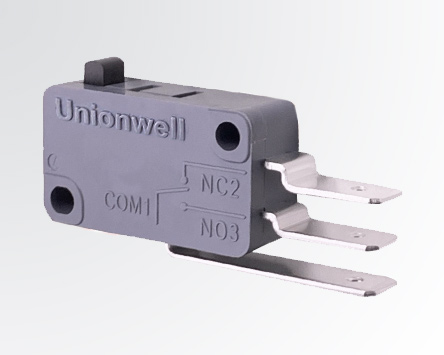
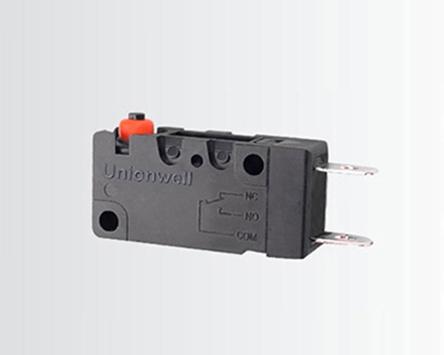
G5 Basic Micro Switch | G5W11 Waterproof Micro Switch | G6 Miniature Micro Switch | G9 Mini Micro Switch |
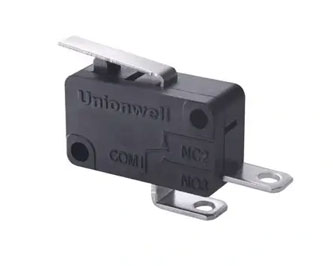 | 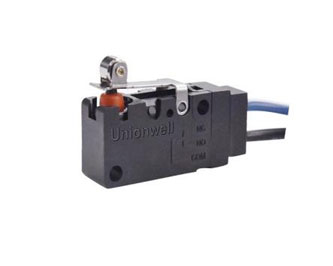 | 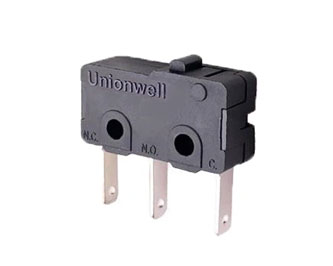 | 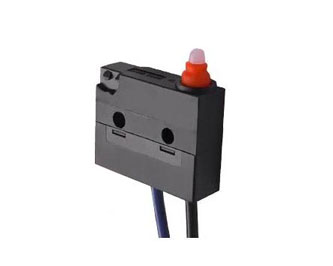 |
Mature and stable structure, with good versatility, suitable for controlling common household appliances such as microwave ovens, rice cookers, and coffee makers. | Waterproof construction, meeting IP67 waterproof rating, stable operation in humid environments, suitable for washing machines and pulping machine. | Small in size and highly responsive, suitable for space-constrained smart appliances and small devices, such as water heater, vacuum cleaner, air conditioner drainer. | Compact design, available in IP40/IP67 protection ratings, widely used in air purifiers, robot vacuums, etc. |
| View Details | View Details | View Details | View Details |
Product Series | Datasheet | Voltage Rating | Temperature Range | IP Rating | Service life (Electrical / Mechanical) | Typical Applications |
G5 Basic Micro Switch |  | 125/250VAC | -25℃ ~ +125℃ | None | 100,000/1,000,000 | microwave ovens, rice cookers, and coffee makers |
G5W11 Waterproof Micro Switch |  | 125/250VAC | -40℃ ~ +85℃ | IP67 | 100,000/1,000,000 | Air Conditioning,washing machines and pulping machine |
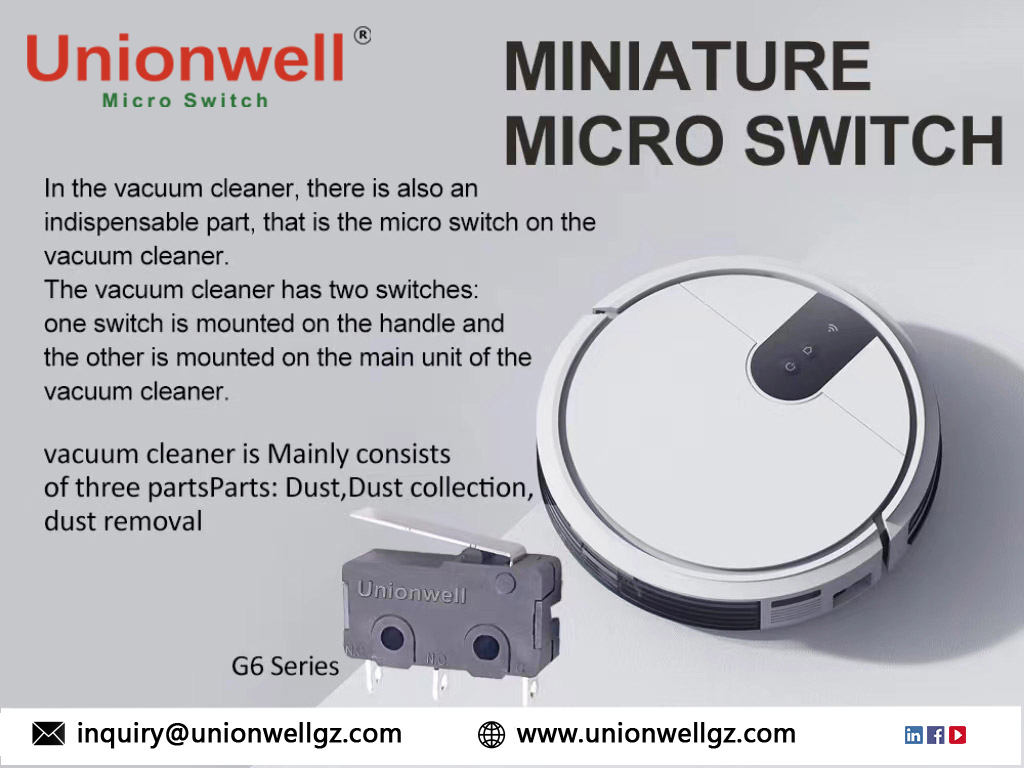
G6 Miniature Micro Switch | | 125/250VAC | -40℃ ~ +85℃ | None | 50,000/1,000,000 | Water heater, vacuum cleaner, air conditioner drainer |
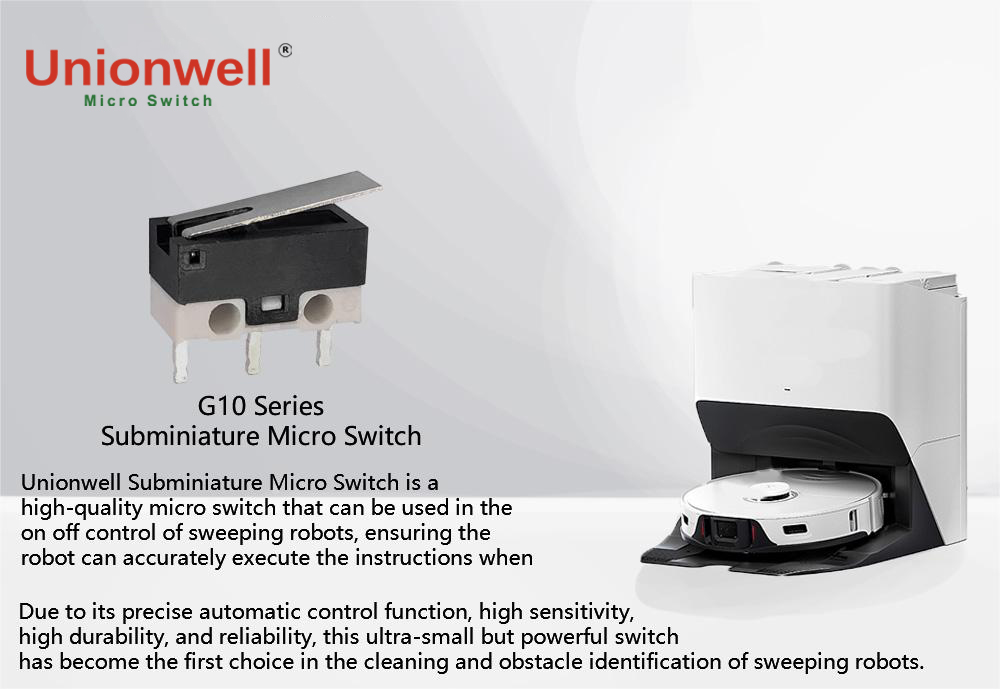
G9 Mini Micro Switch | | 125/250VAC | -25℃~+120℃ | IP40/IP67 | 10,000/500,000 | Water heater, coffee machine, robot vacuum cleaner |
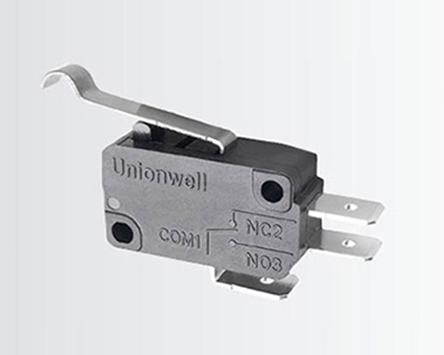
G5 Basic Micro Switch Applications in Microwave Oven Door Interlock SystemsThe G5 Basic Micro Switch, typically installed inside the microwave oven door lock assembly, usually contains three micro switches: a primary and secondary interlock switch, and a safety monitoring switch. The primary and secondary safety switches are connected to different circuit states. When any of these micro switches indicates that the door is not properly closed or not closed tightly, the power will be cut off, preventing the microwave oven from starting normally, thus providing protection. The third is a monitoring switch, also for protection, to prevent the upper and lower safety switches from becoming permanently short-circuited if damaged. This way, even if the furnace door status cannot be displayed correctly due to damage or malfunction of the two door switches, the safety switch will still provide protection. | 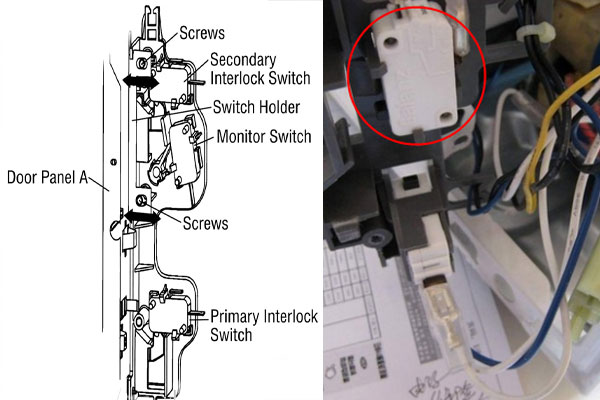 |
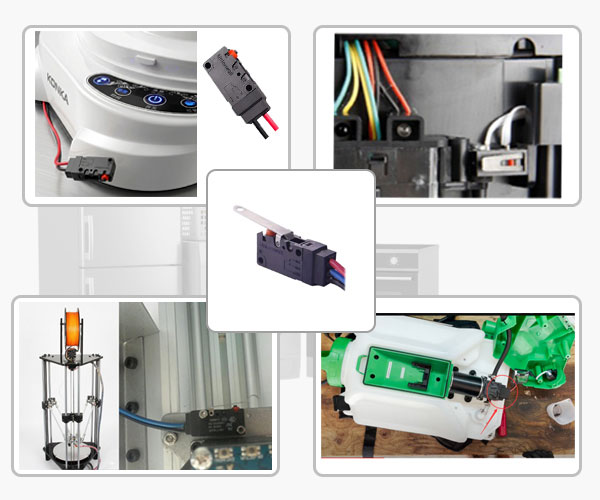 | Application of the G5W11 Waterproof Micro Switch in Grinding MachinesThis G5W11 micro switch is primarily used in the safety detection and operation control systems of grinding machines. In devices such as soy milk makers and coffee grinders, micro switches are typically installed at the connection points of the container, lid, or blade assembly to detect whether the component is properly installed. When the user correctly installs the container and closes the lid, the micro switch is triggered, allowing the control system to start the motor. If the lid is not closed or the component is improperly installed, the switch will not activate, and the equipment will stop operating, thus avoiding the safety risks posed by high-speed rotating parts. |
G6 Miniature Micro Switch Is Used In Electric Toothbrushes.From a structural design perspective, the miniature micro switch is primarily used in the button control module of electric toothbrushes. It is typically installed inside the button on the toothbrush body and is used to detect user input and output switching signals to the main control circuit. Due to the limited internal space of an electric toothbrush, the micro switch needs to have a miniaturized structure, stable triggering force, and a long mechanical lifespan. When the user presses the start button, the button mechanism actuates the micro switch actuator, causing the internal contacts to switch on and off, thus controlling the motor to start, stop, and switch modes. With its compact size and reliable contact structure, the Miniature Micro Switch meets the reliability requirements of high-frequency button operation and long-term operation in electric toothbrushes. | 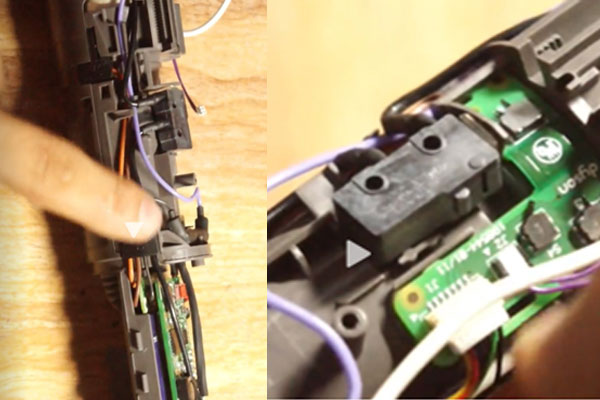 |
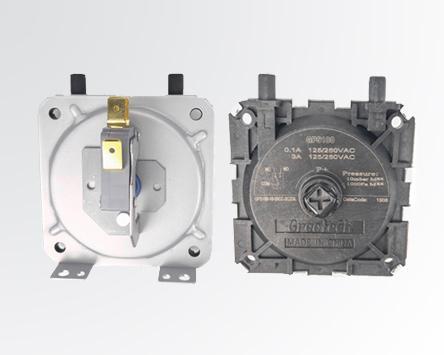
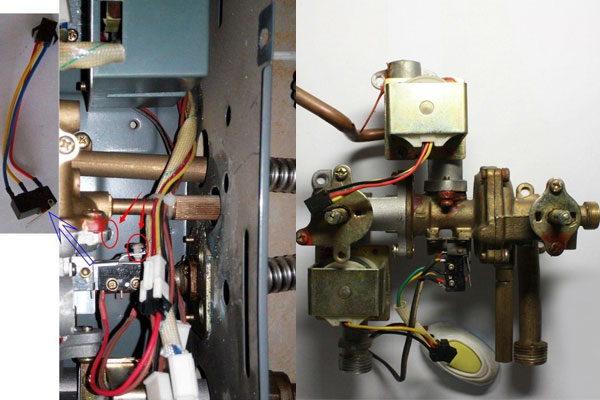 | Application of G9 Micro Switch in Gas Water HeaterThe G9 Mini Micro Switch is primarily used in the water-gas linkage control system of gas water heaters. It is typically installed inside the water-gas linkage valve and connected to the push rod mechanism. When the user opens the hot water valve and sufficient water pressure is generated, the diaphragm is pressed, pushing the push rod to actuate, causing the micro switch to switch contacts and output a start signal to the control circuit. This signal is used to control the start of the internal motor, pulse igniter, and solenoid valve of the gas water heater, realizing the ignition and gas supply process. |
For home appliance manufacturers, selecting the right micro switch is crucial, ensuring product safety, durability, and performance stability. Different home appliance applications have varying requirements regarding load, operating mechanisms, lifespan, and environmental protection.
The electrical rating determines the maximum current and voltage that a micro switch can safely control. For home appliances such as microwave ovens, washing machines, and coffee machines, selecting a suitable rating (5A, 10A, or 15A) helps prevent contact damage and ensures stable electrical performance during frequent switching operations.
Operating force directly affects the interaction between the appliance mechanism and the micro switch actuator. A suitable force range, typically from 50gf to 500gf, ensures reliable triggering while avoiding excessive mechanical load on components such as door locks, buttons, and safety mechanisms.
Mechanical life indicates the number of switching cycles the micro switch can withstand without structural failure. For appliances with frequent operations, such as microwave doors and control buttons, a high mechanical life of up to 500,000 cycles helps improve product reliability and reduce maintenance requirements.
Home appliances may operate under different temperature conditions, especially in applications involving heating elements or motors. Micro switches with suitable temperature resistance, such as -40°C to +125°C, can maintain stable performance under continuous operation and temperature fluctuations.
The protection level determines the switch's ability to resist dust and moisture. Standard IP40 switches are suitable for dry indoor applications, while IP67 waterproof micro switches are preferred for appliances exposed to humidity, such as washing machines, dishwashers, and water dispensers.
Yes. Micro switches can be customized according to customer needs, including actuator, terminal type, operating force, protection structure, and installation dimensions, to meet different product design requirements.
The lifespan of a micro switch depends on factors such as model, load conditions, and application environment. Taking the G5 basic micro switch, commonly used in household appliances, as an example, its mechanical lifespan is between 500,000 and 1,000,000 cycles, and its electrical lifespan is between 50,000 and 100,000 cycles.
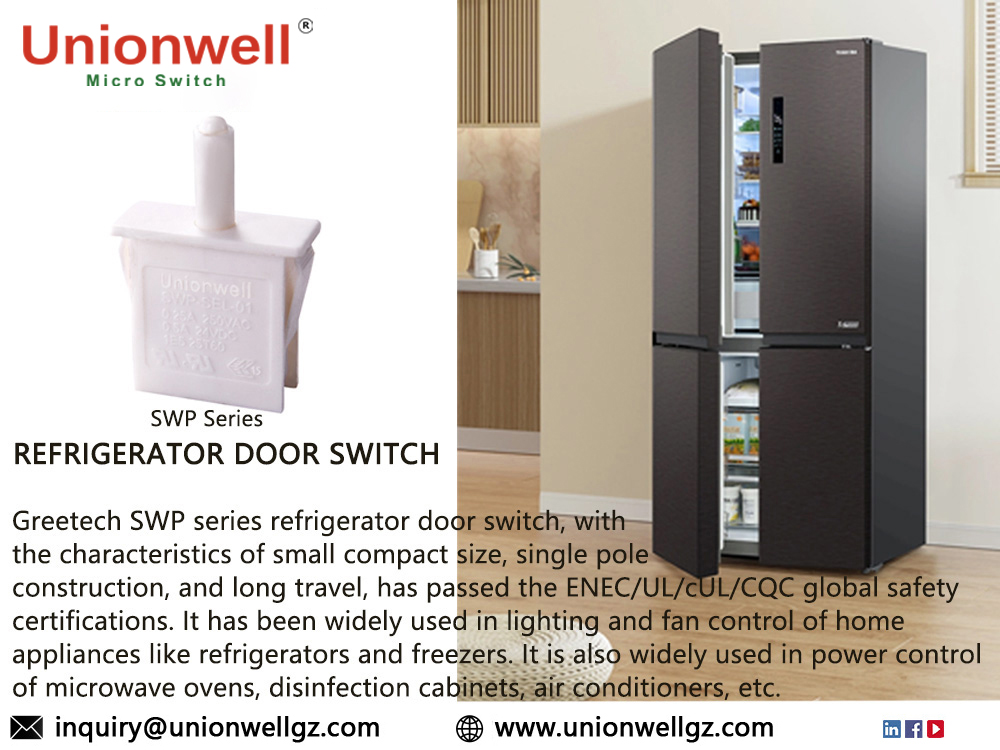
The type of handle for micro switches in household appliances is usually selected based on the installation structure and triggering method. Common types include straight levers, roller levers, and long levers. For example, microwave oven door locks and washing machine door detectors often use long levers or roller structures; button-type devices often use plunger structures.
Microwave oven micro switches are mainly installed in door interlock systems to detect the door's closed state. When the door is closed, the door hook pushes the micro switch actuator, causing the internal contacts to switch and sending feedback of the door lock status to the control system. Primary and secondary safety switches control the power circuit, while the monitoring switch provides abnormal protection to prevent the equipment from starting when the door is not closed.
When testing a microwave oven micro switch, a multimeter can be used to test the continuity of the contacts. After disconnecting the power, disassemble the switch and measure the continuity between the COM and NO/NC terminals. Also check for any sticking, abnormal contacts, or mechanical damage when the switch is triggered. If unsure whether the switch is damaged, consult a professional repair technician.