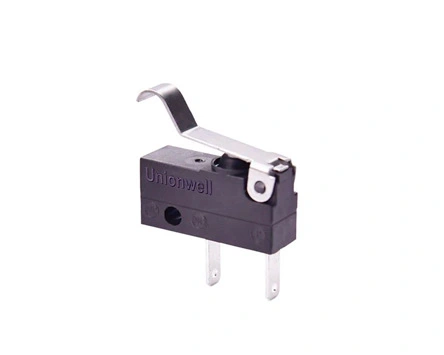
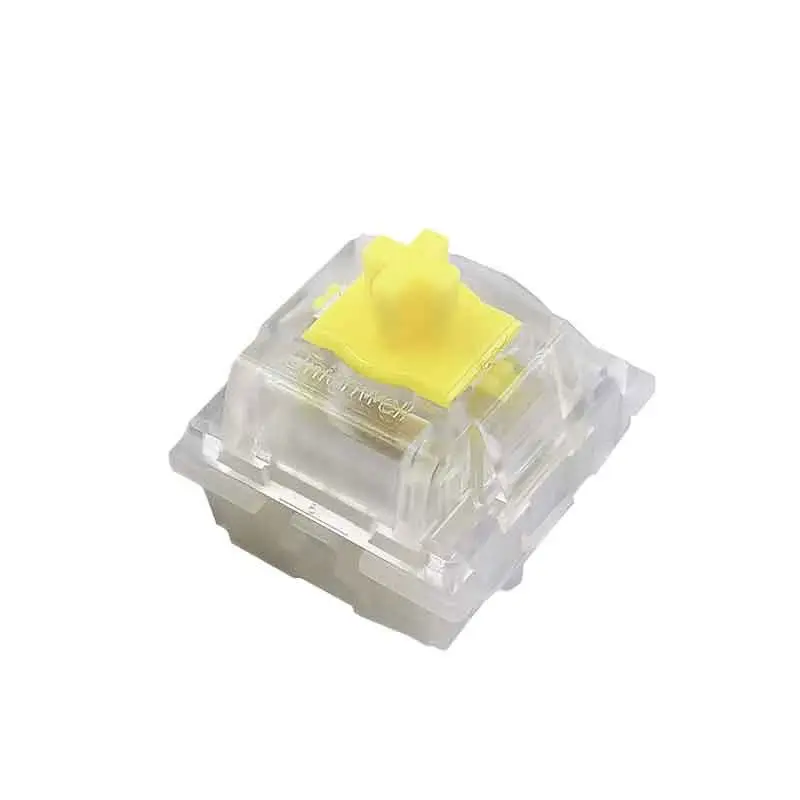
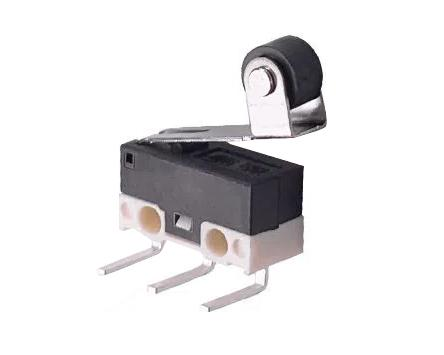
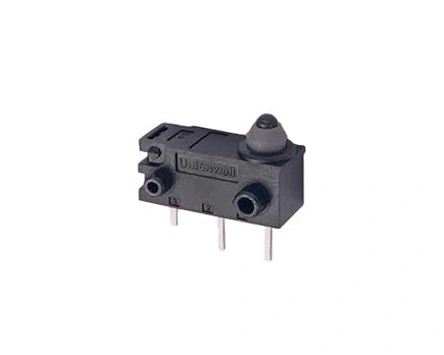
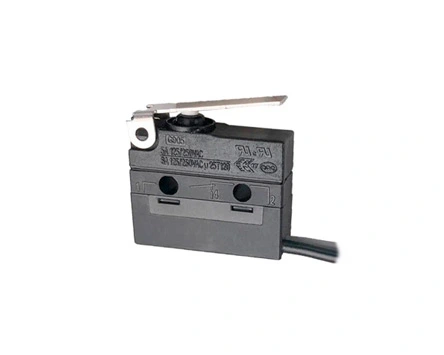
In today's increasingly automated industrial sector, the mini micro switch serves as a crucial foundational component. Its electrical and mechanical performance parameters play a vital role in ensuring the stable operation and precise control of equipment. This article will delve into the electrical and mechanical performance parameters of micro switches.
Detailed Explanation of Electrical Performance Parameters of Mini Micro Switches
Rated Voltage
The rated voltage of a mini micro switch refers to the maximum voltage it can withstand under normal working conditions. This parameter directly determines whether the micro switch can operate safely and stably in a specific circuit environment.
Rated Current
The rated current reflects the maximum current that the micro switch mini can allow to pass through when in a closed state. It is closely related to factors such as the contact material, structural design, and heat dissipation conditions of the micro switch. When using the micro switch to control loads such as motors and solenoid valves, accurately matching the rated current parameter is crucial. If the actual working current exceeds the rated current, it may cause excessive heating, welding, and other phenomena at the contacts, thereby affecting the normal functioning of the micro switch and even causing electrical faults, shortening the equipment's lifespan. Therefore, when selecting a micro switch, the appropriate rated current specification must be determined based on the actual current demand of the load to ensure that its electrical performance can meet the system's requirements.
Contact Resistance
Contact resistance is an important indicator for measuring the electrical performance of a micro switch mini. It refers to the resistance value between the two contacts when the micro switch is in a closed state. Lower contact resistance means reduced energy loss when current passes through, improving circuit efficiency, and also helps reduce the heating of contacts, extending the micro switch's lifespan. High-quality micro switches typically use materials with high conductivity for making contacts and ensure the flatness and cleanliness of the contact surfaces through fine processing techniques, effectively reducing contact resistance. In precision electronic devices and control systems with high electrical performance requirements, the stability of the micro switch's contact resistance plays an indispensable role in ensuring the accuracy and reliability of signal transmission.
Analysis of Mechanical Performance Parameters of Micro Switches
Operating Force
The operating force refers to the minimum external force required for the contacts of the micro switch to change state from normally open to normally closed or vice versa. This parameter directly affects the operating feel and sensitivity of the micro switch. Different application scenarios have varying requirements for the operating force of the micro switch.
Stroke
Stroke refers to the distance that the actuator moves during the operation of the micro switch. Reasonable stroke design not only relates to the operational convenience of the micro switch but is also closely linked to its mechanical life. An excessively short stroke may lead to inaccurate operation or poor contact, while an overly long stroke may increase the wear and energy consumption of the actuator, reducing the overall performance of the micro switch. Generally, the stroke of the micro switch mini is optimized based on specific application needs, ensuring reliable operation while minimizing the stroke distance to improve response speed and operational efficiency.
Mechanical Life
Mechanical life refers to the number of times the micro switch can complete its mechanical actions under specified operating conditions. It is a key indicator for measuring the durability and reliability of a mini micro switch. The mechanical life of the mini micro switch mainly depends on its internal mechanical structure and the wear resistance of its materials. High-quality mini micro switches typically use high-strength, low-friction materials to manufacture key components and undergo precise assembly processes and strict quality control to ensure stable mechanical performance over long-term use, reducing the probability of faults due to wear and fatigue. In scenarios requiring frequent operations and high equipment reliability, such as automotive electronic control systems and elevator control systems, the mechanical life of the micro switch has become an important selection criterion. Only micro switches with sufficiently long mechanical lives can meet the stringent requirements of these application scenarios.
In summary, the electrical and mechanical performance parameters of mini micro switches are important bases for evaluating their quality and applicability. When selecting and applying micro switches, these parameters must be fully considered to match the specific working environment and load requirements, ensuring the safe and stable operation of the equipment and improving the overall performance and reliability of the system. With continuous technological advancement and the ongoing improvement of industrial automation, research and optimization of the electrical and mechanical performance parameters of mini micro switches will continue to deepen, providing more solid foundational support for innovative development in various industries.
Factory Address:No. 9 Park Avenue, Longmen County, Huizhou City, Guangdong Province, China
+86-13431874643
We use cookies to offer you a better browsing experience, analyze site traffic and personalize content. By using this site, you agree to our use of cookies.
Visit our cookie policy to learn more.
 English
  français
  Deutsch
  Español
  italiano
  português
  tiếng việt
  Türkçe
  slovenský
  slovenčina
  беларускі
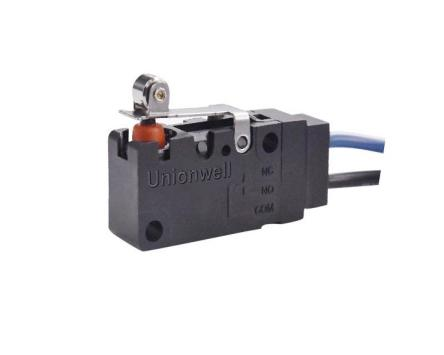
Global_Safety_Approvals_Basic_Micro_Switch_G5.webp "Global Safety Approvals Basic Micro Switch G5")