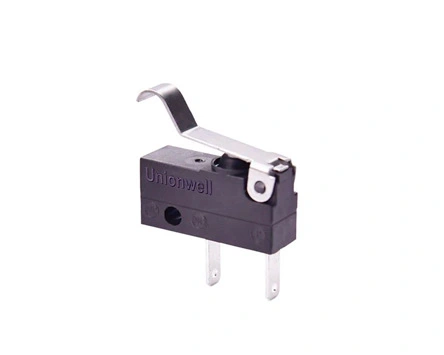
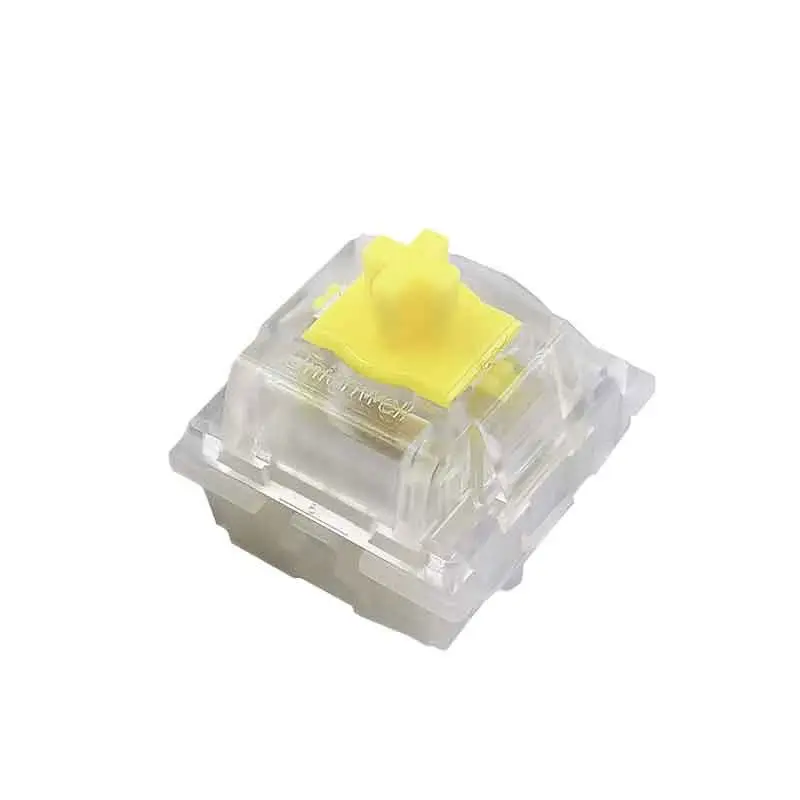
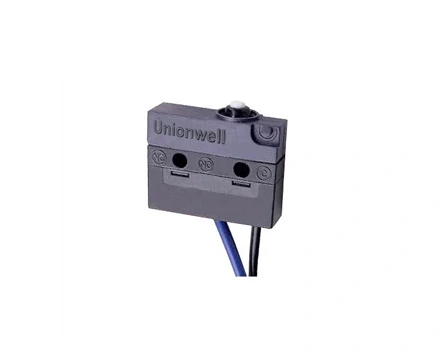
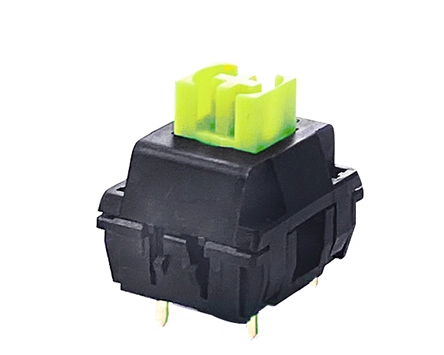
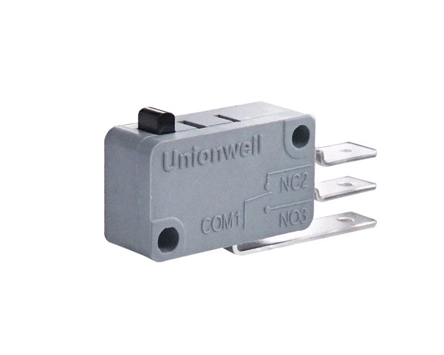
A micro switch, also known as a snap-action switch or miniature switch, is a small but highly reliable electrical component used to detect or control movement in countless devices. Despite its compact size, this switch plays a critical role in ensuring safety, efficiency, and performance in both household appliances and industrial equipment. Due to its durability and sensitivity, the micro switch is one of the most widely used switches in modern technology.
Structure and Working Principle
The working principle of a micro switch is based on the snap-action mechanism. Inside the switch, a spring and contact system quickly “snaps” when the actuator reaches a certain point. This ensures a fast and precise change in electrical state.
Key components include:
Actuator – the part that detects physical force (lever, roller, or button).
Contacts and Terminals – responsible for carrying electrical current.
Housing – protects the internal parts from dust and moisture.
For example, when you close the door of a microwave oven, a micro switch instantly detects it and allows the microwave to operate safely.
Types of Micro Switches
There are many types of micro switches, each designed for specific environments:
Standard Micro Switches – general-purpose use in appliances and devices.
Subminiature & Ultra-Miniature Switches – compact designs for space-limited electronics.
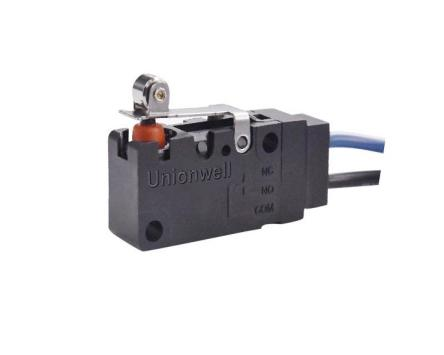
Waterproof and Dustproof Switches – often rated IP67 or IP68, suitable for outdoor or harsh environments.
Heavy-Duty and High-Precision Switches – designed for industrial machinery requiring high accuracy and long operating life.
Choosing the right type depends on the application’s electrical load, size requirements, and environmental conditions.
Key Features and Advantages
Micro switches are trusted worldwide because of their unique advantages:
Long Life Span – capable of millions of mechanical cycles.
High Sensitivity – responds quickly with minimal operating force.
Compact Design – small in size but powerful in function.
Cost-Effective – affordable while offering excellent reliability.
Thanks to these features, micro switches are essential in industries where precision and safety cannot be compromised.
Applications of Micro Switches
Micro switches are everywhere in our daily lives, from home appliances to industrial machinery.
Home Appliances: Used in microwave ovens, refrigerators, air conditioners, and washing machines to detect door positions or control power.
Automotive Industry: Found in car door locks, seat belt buckles, brake pedals, and power windows to enhance safety and convenience.
Industrial Equipment: Essential in vending machines, elevators, and safety switches for heavy machinery.
Consumer Electronics: Present in computer mice, printers, and game controllers.
Medical Devices: Used in infusion pumps and other precision instruments.
This wide range of micro switch applications proves their importance in modern technology.
How to Select the Right Micro Switch
When choosing a micro switch, consider the following factors:
Electrical Rating – make sure voltage and current match your application.
Actuator Type – lever, roller, or push button, depending on how the switch will be triggered.
Operating Force and Travel – lighter or stronger force depending on device needs.
Environmental Resistance – waterproof or dustproof for harsh conditions.
Certifications – UL, CE, or RoHS compliance ensures safety and quality.
A proper micro switch selection guide helps prevent failures and ensures reliable performance.
Common Issues and Maintenance
Although micro switches are durable, they can experience issues over time:
Contact Wear – frequent use may degrade the electrical contacts.
Dust and Moisture – can cause unreliable operation in unsealed switches.
Testing a Micro Switch – a multimeter can be used to check continuity.
To maximize lifespan, follow best practices: use switches within rated capacity, install in clean environments, and replace worn components promptly.
Future Trends in Micro Switch Technology
As technology evolves, micro switches are becoming more advanced:
Miniaturization – smaller designs with higher precision for compact electronics.
Smart Integration – compatibility with IoT devices and automated systems.
Eco-Friendly Designs – switches that consume less energy and meet stricter environmental standards.
These innovations will ensure micro switches remain vital components in future smart homes, vehicles, and industrial systems.
Conclusion
From simple household appliances to complex industrial machinery, micro switches are critical to safety, precision, and reliability. Their long lifespan, compact design, and cost-effectiveness make them indispensable in countless applications.
If you are searching for the best micro switch supplier or want to upgrade your equipment with a reliable micro switch, understanding their types, features, and applications will help you make the right choice.
Factory Address:No. 9 Park Avenue, Longmen County, Huizhou City, Guangdong Province, China
+86-13431874643
We use cookies to offer you a better browsing experience, analyze site traffic and personalize content. By using this site, you agree to our use of cookies.
Visit our cookie policy to learn more.
 English
  français
  Deutsch
  Español
  italiano
  português
  tiếng việt
  Türkçe
  slovenský
  slovenčina
  беларускі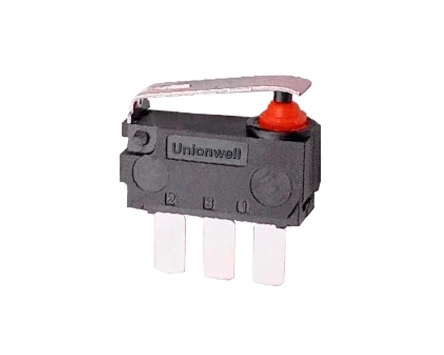
Global_Safety_Approvals_Basic_Micro_Switch_G5.webp "Global Safety Approvals Basic Micro Switch G5")