Email Us

What Is the Difference Between a Switch and a Micro Switch?

Table of Content [Hide]

    In the fast-paced world of industrial electronics and safety systems, understanding the difference between a switch and a micro switch is essential for engineers, safety managers, and procurement professionals. While both devices control electrical circuits, they differ dramatically in design, performance, and ideal use cases. This complete guide explores various types of microswitches, their advantages, and why they have become indispensable in industrial safety equipment, fall protection systems, rescue devices, and automation machinery. Whether you're researching micro switches for sale, evaluating OEM microswitch manufacturers, or simply looking to deepen your knowledge of industrial microswitches, this article delivers practical insights and actionable information.


    What Is A Standard Switch?

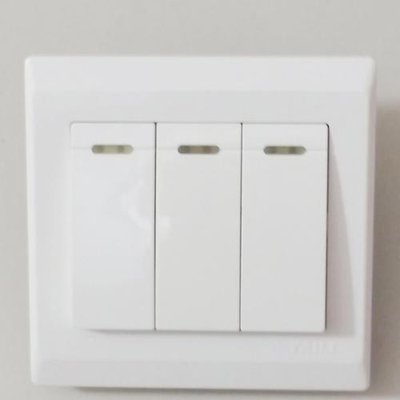
    A standard switch is a basic electrical component designed to open or close a circuit, thereby controlling the flow of electricity. These switches are typically operated manually and excel in straightforward ON/OFF applications where simplicity and reliability are the main requirements. You'll find standard switches everywhere—from household lighting systems and power controls to basic industrial machinery. They come in multiple configurations to suit different operational needs, making them a versatile choice for general-purpose electrical control.

    5f7ecb1263e75e9bfc31f8c213b162f5_t047660f64ba953f291.jpg

    Common Industrial Switch Types

    Here are some of the most widely used types in industrial settings:
    • Toggle Switch: Features a lever mechanism that flips to open or close the circuit. Commonly used in machinery control panels.

    • Push Button Switch: Activated simply by pressing a button. Ideal for emergency stop systems and control interfaces.

    • Rotary Switch: Uses a rotating knob to select different circuits or operating modes. Perfect for multi-speed equipment.

    • Rocker Switch: Operates with a rocking motion for convenient power control. Frequently seen in power distribution units.

    Switch TypeOperationTypical Application
    Toggle SwitchLever ActionMachinery Control
    Push Button SwitchPress ActionEmergency Stop Systems
    Rotary SwitchRotating KnobMulti-Speed Equipment
    Rocker SwitchRocking ActionPower Distribution Units

    What Is A Micro Switch and Why Is It Different?

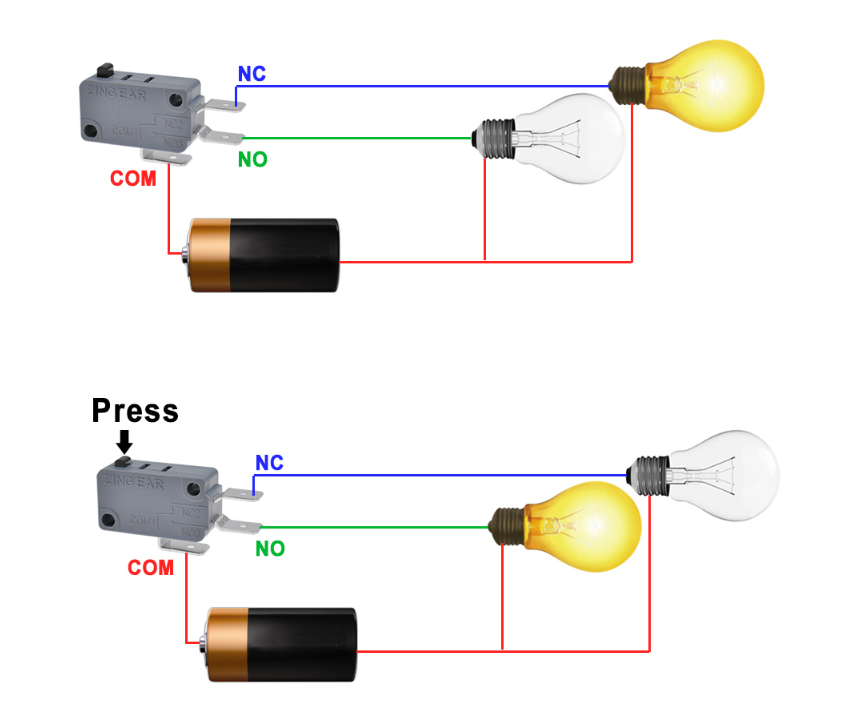
    图片2.png

    A micro switch (also called a snap-action switch) is a precision-engineered device that activates with minimal physical force while delivering highly reliable electrical performance. Its defining feature is the snap-action mechanism, which ensures rapid, consistent switching with a distinctive click. Unlike standard switches, microswitches are built for demanding environments. Key advantages include:
    • Snap-action mechanism: Provides instant, precise response regardless of actuation speed.

    • Fast response time: Critical for safety and automation systems.

    • Exceptional repeatability: Maintains consistent performance over millions of cycles.

    • Compact size: Fits easily into space-constrained designs.

    • Outstanding durability: Often rated for 1–10 million operations or more.

    Internal Structure of a Micro Switch To better understand the mechanism, watch this short video:

    Key Differences Between Switches and Micro Switches

    The difference between switch and micro switch becomes especially clear in high-stakes industrial and safety applications. While standard switches handle basic control tasks, microswitches deliver superior precision and reliability where it matters most.
    FeatureStandard SwitchMicro Switch
    Operating ForceMedium to HighVery Low
    PrecisionModerateHigh
    Response SpeedStandardInstant Snap Action
    SizeLargerCompact
    DurabilityModerateUp to Millions of Cycles
    Automation CompatibilityLimitedExcellent
    Safety ApplicationsBasicCritical Safety Systems
    Microswitches stand out for their precision, offering highly repeatable switching points. This makes them ideal for industrial automation, safety interlock systems, and emergency monitoring. Their compact design also saves valuable space in portable rescue equipment and microswitches for safety harness systems.

    Types of Micro Switches Used in Industrial Equipment

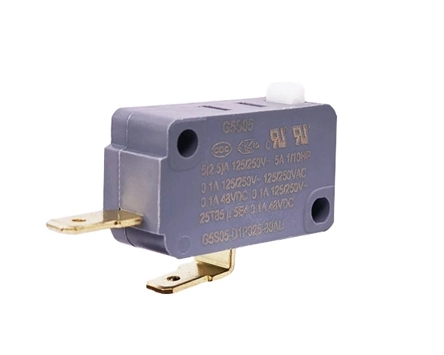
    Understanding different types of microswitches (or micro switches types) helps you select the best solution for your specific needs. Unionwell provides a full range designed to meet diverse industrial challenges.

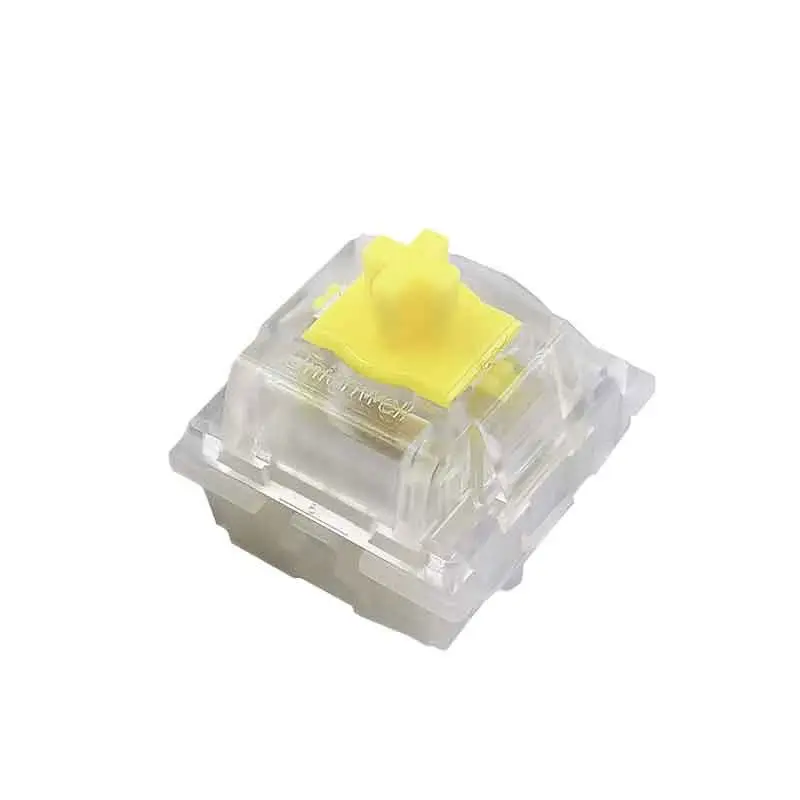
    Standard Micro Switches

    These versatile switches offer an excellent balance of performance and cost-effectiveness. They are widely used in conveyors, packaging machines, and general safety monitoring systems thanks to their long service life and reliable operation.

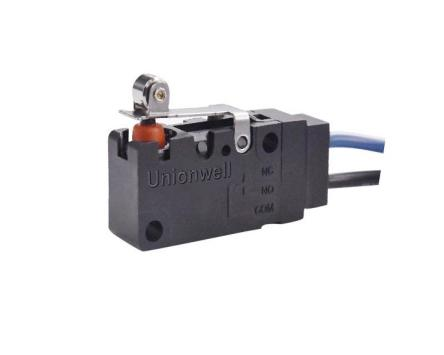
    Sealed Micro Switches

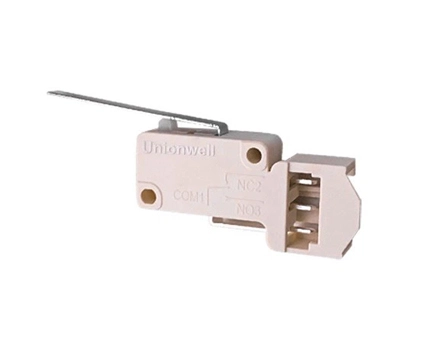
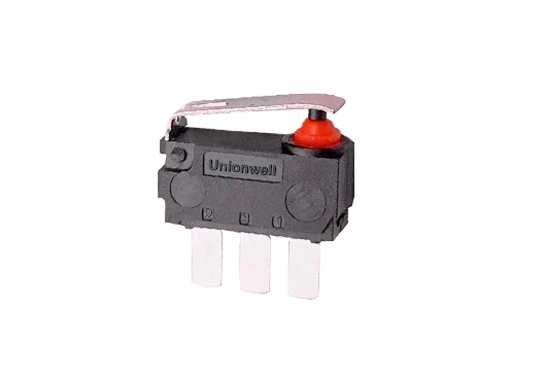
    Sealed micro switches and waterproof micro switches are built for harsh environments. With high IP ratings (often IP67 or IP68), they resist dust, moisture, and contaminants—making them perfect for fall protection devices, rescue equipment, and outdoor lifting systems.

    12 volt waterproof micro switch

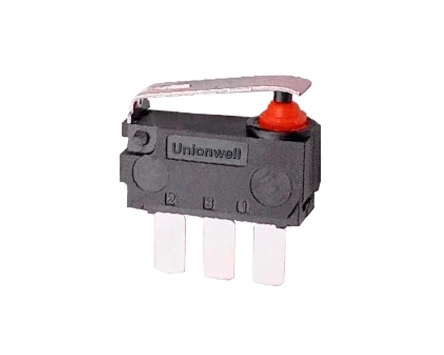
    Subminiature Micro Switches

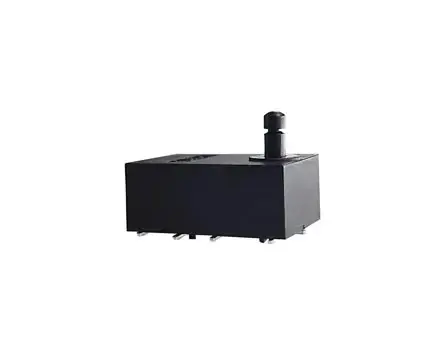
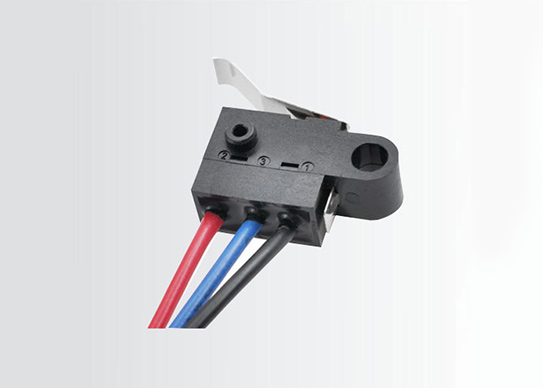
    Extremely small and lightweight, subminiature micro switches are ideal for portable inspection tools and smart personal protective equipment (PPE) without compromising performance.

    Subminiature Micro Switch With Leaf Lever 130GF


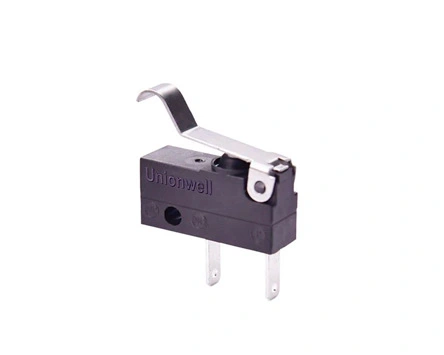
    Roller Lever Micro Switches

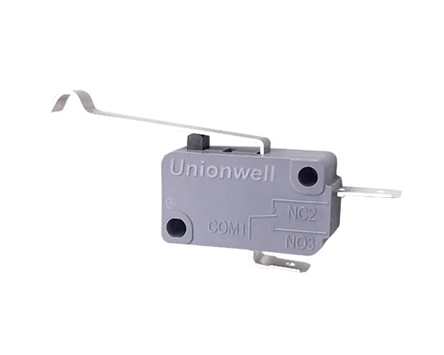
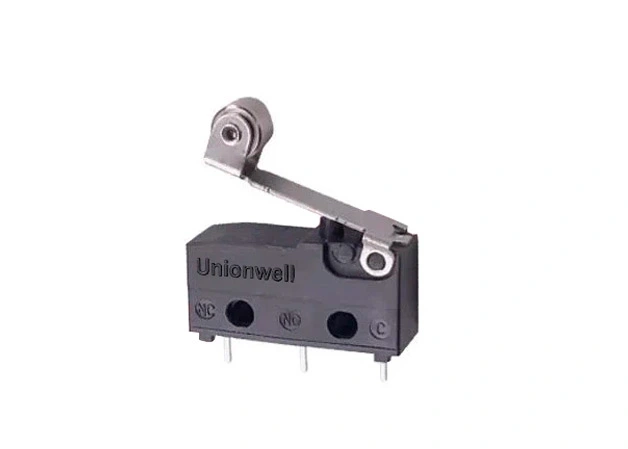
    Micro switch with a roller lever actuator, these excel at position detection and mechanical limit control in automated production lines and heavy machinery.

    Mini Micro Switch SPDT With Roller Lever

    Micro Switches Types Commonly Used in Safety Equipment

    Micro switches used in safety equipment play a critical role in protecting workers and ensuring regulatory compliance. In fall arrest devices, they accurately detect locking mechanism engagement and safety trigger activation. Rescue winches rely on them for precise position sensing and emergency stop confirmation, while safety harness systems use them for buckle detection and load monitoring. Industrial Safety Equipment Featuring Microswitch Integration

    Why Micro Switches Are Critical in Industrial Safety Applications

    Safety micro switch applications continue to grow as industries focus more on risk prevention and operational reliability. Here's why they are so important:
    • Enhanced Safety: Prevent misuse by providing accurate real-time monitoring.

    • Precise Position Detection: Deliver reliable feedback on equipment status.

    • Rapid Emergency Response: Transmit instant signals for immediate shutdown.

    • Proven Longevity: Maintain performance across millions of cycles even in tough conditions.

    Safety RequirementBenefit of Microswitches
    Emergency ShutdownInstant Signal Transmission
    Interlock VerificationHigh Accuracy & Repeatability
    Outdoor OperationRobust Waterproof Designs
    Frequent ActivationExtended Mechanical Life

    How to Choose the Right Microswitch for Industrial Projects

    Selecting the ideal microswitch requires careful consideration of several technical factors:
    • Electrical ratings and load capacity

    • Required operating force

    • Environmental protection level (IP67/IP68 recommended for harsh conditions)

    • Expected service life and cycle rating

    • Relevant certifications such as CE, UL, RoHS, and REACH

    Selection FactorRecommended Solution
    Dusty or Contaminated EnvironmentSealed Microswitch
    Outdoor or Wet ConditionsWaterproof Microswitch
    High-Frequency OperationHigh-Cycle Rated Microswitch
    Space-Limited DesignSubminiature Microswitch

    Micro Switches for Sale: What B2B Buyers Should Look For

    When sourcing micro switches for sale wholesale, focus on suppliers who offer comprehensive support. Look for strong OEM/ODM capabilities, custom actuator options, stable global supply chains, consistent batch quality, and dedicated technical assistance. As a trusted OEM micro switch manufacturer, Unionwell delivers all these advantages along with full certification compliance.

    FAQs About Micro switches

    Are microswitches more reliable than standard switches?

    Yes. Thanks to their precision engineering and snap-action design, microswitches offer far greater repeatability and longevity, making them the preferred choice for safety-critical and industrial applications.

    What are the most common types of microswitches?

    The most popular types of microswitches include standard, sealed/waterproof, roller lever, and subminiature models—each optimized for specific operating conditions.

    Can microswitches be used outdoors?

    Yes. High-quality sealed waterproof micro switches are specifically designed to perform reliably in outdoor and harsh environments.

    What industries use microswitches?

    Microswitches are widely used in industrial automation, safety equipment, automotive manufacturing, medical devices, rescue systems, and fall protection solutions.

    Conclusion

    The fundamental difference between a switch and a micro switch lies in precision, sensitivity, compactness, and long-term reliability. While standard switches work well for basic control tasks, microswitches are purpose-built for the rigorous demands of modern industry. For companies working with fall protection systems, rescue equipment, industrial climbing gear, or automation machinery, choosing the right types of microswitches can dramatically improve both safety and operational efficiency. If you're looking for high-quality micro switches for sale, partnering with a certified and experienced manufacturer like Unionwell ensures you get customized solutions, consistent quality, and full technical support.


    References
    Products
    Contact with Us
    Add:
    RM1311, Renfeng Building, No. 490, Tianhe Road, Tianhe District, Guangzhou, Guangdong, China, 510630.

    Factory Address:No. 9 Park Avenue, Longmen County, Huizhou City, Guangdong Province, China

    Unionwell
    Switches are us, switch to us. Find quality micro switches at Unionwell
    Add:
    RM1311, Renfeng Building, No. 490, Tianhe Road, Tianhe District, Guangzhou, Guangdong, China, 510630.

    Factory Address:No. 9 Park Avenue, Longmen County, Huizhou City, Guangdong Province, China
    Add:
    RM1311, Renfeng Building, No. 490, Tianhe Road, Tianhe District, Guangzhou, Guangdong, China, 510630.

    Factory Address:No. 9 Park Avenue, Longmen County, Huizhou City, Guangdong Province, China
    We use cookies to offer you a better browsing experience, analyze site traffic and personalize content. By using this site, you agree to our use of cookies. Visit our cookie policy to learn more.
    Reject Accept