English
  français
  Deutsch
  Español
  italiano
  português
  tiếng việt
  Türkçe
  slovenský
  slovenčina
  беларускі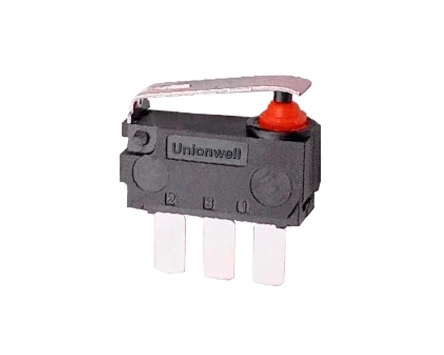
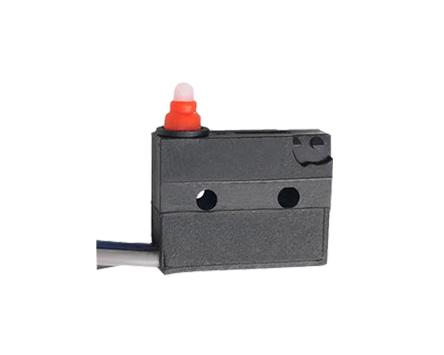
Global_Safety_Approvals_Basic_Micro_Switch_G5.webp "Global Safety Approvals Basic Micro Switch G5")


RM1311, Renfeng Building, No. 490, Tianhe Road, Tianhe District, Guangzhou, Guangdong, China, 510630.
Factory Address:No. 9 Park Avenue, Longmen County, Huizhou City, Guangdong Province, China

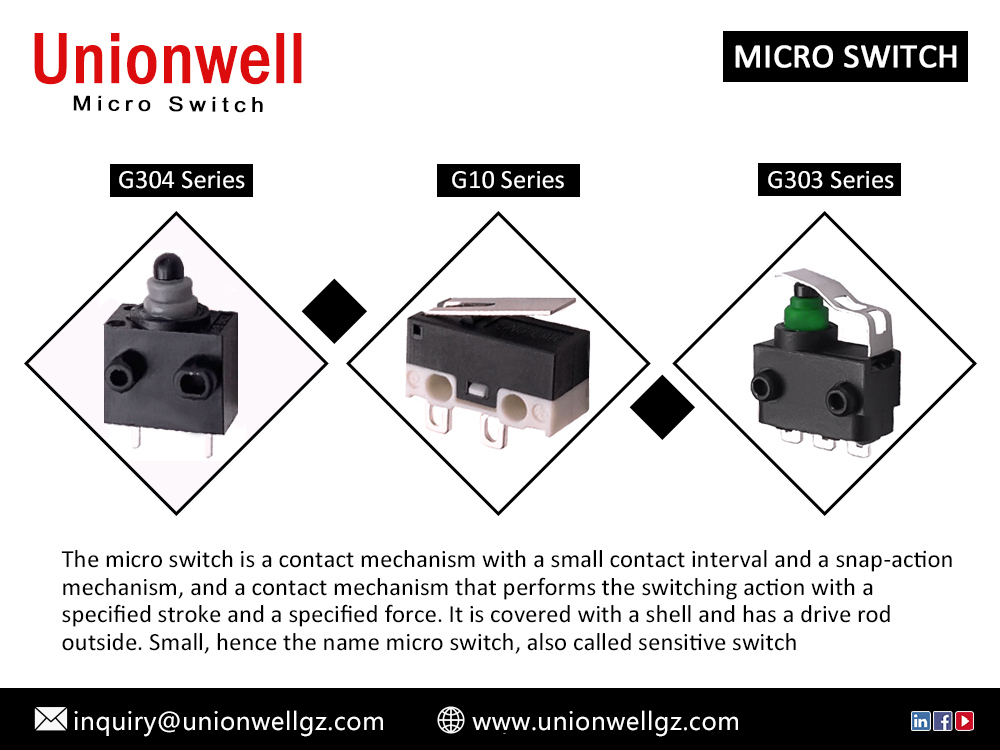
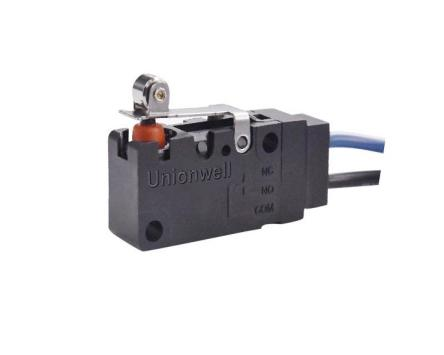
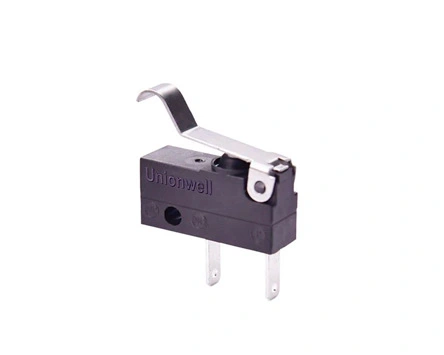
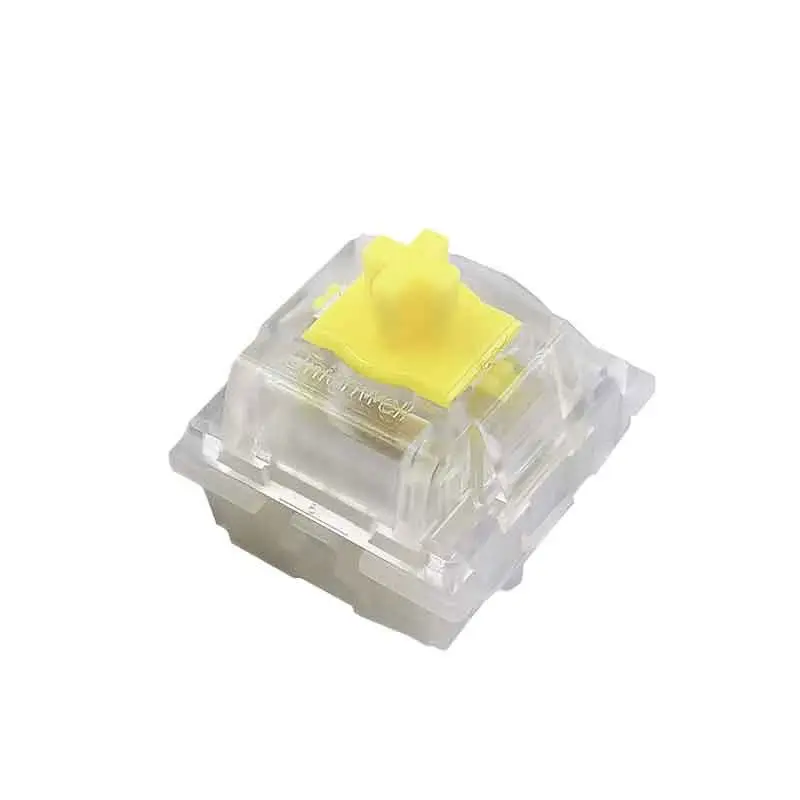
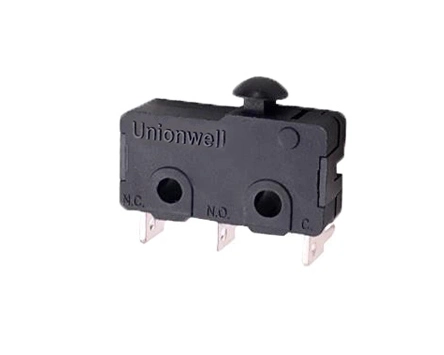
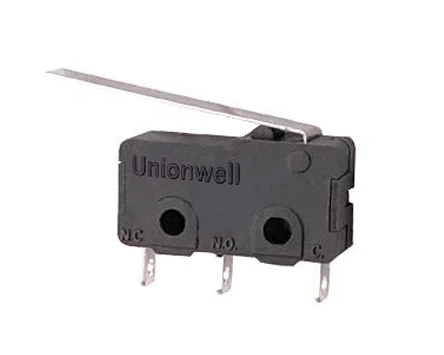
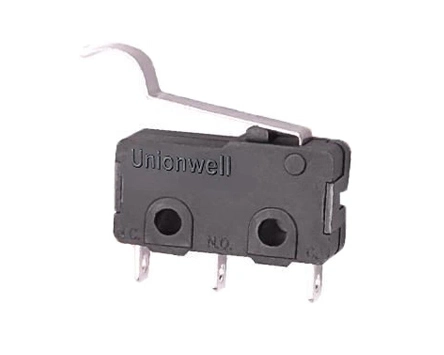
A micro switch is a small, highly sensitive switch that operates with very little physical force. It usually consists of an actuator, internal contacts, and a durable housing. When the actuator is pressed, it quickly changes the state of the internal contacts, providing reliable and precise switching. Micro switches are known for their long lifespan and consistent performance.
Micro switches are widely used in various fields, including:
Home Appliances: Refrigerator doors, microwave doors, washing machines.
Automotive: Car door locks, seat adjustment sensors, safety belt detection.
Industrial Equipment: Limit switches, automation machinery, conveyor systems.
Elevators and Security Systems: Position detection, safety interlocks.
Medical Devices and Smart Home Systems: Precise control and detection.
When selecting a micro switch, consider the following:
Electrical Ratings: Voltage, current, and contact type.
Mechanical Specs: Size, actuation force, and travel distance.
Lifespan: Mechanical vs. electrical lifespan.
Environmental Adaptability: Dustproof, waterproof, or explosion-proof requirements.
Certifications: UL, CE, RoHS, and other relevant standards.
Action: Micro switches operate with a quick, precise “snap-action,” while regular switches may be slower or less sensitive.
Structure: Micro switches have a more precise internal mechanism.
Durability: Micro switches generally last longer.
Applications: Micro switches are used for high-precision tasks; regular switches are more general-purpose.
Common issues include:
Contact Oxidation: Can prevent proper electrical conduction.
Mechanical Sticking: Actuator may become stiff or jammed.
Spring Fatigue: Loss of actuation sensitivity.
Troubleshooting Tips:
Use a multimeter to check for continuity.
Test the switch under actual load conditions.
Replace worn-out or damaged switches.
Choose high-quality switches to reduce failure risks.