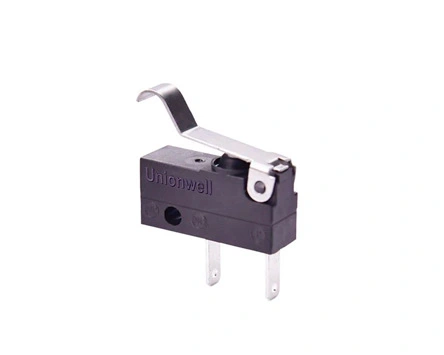
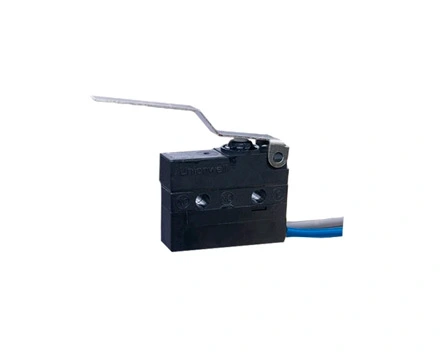
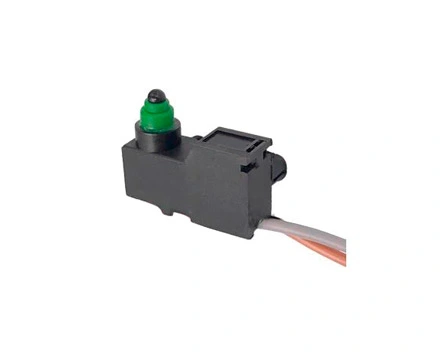
In today's era of rapid technological advancement, various electronic components play a crucial role across multiple industries. Among them, micro switches stand out for their unique performance characteristics and wide range of applications, demonstrating significant market potential. But how can one choose a high-quality, suitable micro switch?
Comprehensive Consideration of Environmental Factors to Ensure Compatibility
Environmental conditions in real-world applications have a subtle yet profound impact on the performance of tiny micro switches, indirectly affecting their operating frequency and service life. In high-temperature environments, switch materials may soften or age, accelerating mechanical wear and electrical degradation, which shortens lifespan. Conversely, low temperatures can make materials brittle, causing poor contact and affecting actuation response. Therefore, it is essential to select tiny micro switches with appropriate temperature ratings according to the operating environment. For example, in outdoor high-temperature telecommunication base stations, high-temperature-resistant micro switches should be used to ensure stable, high-frequency operation in extreme heat.
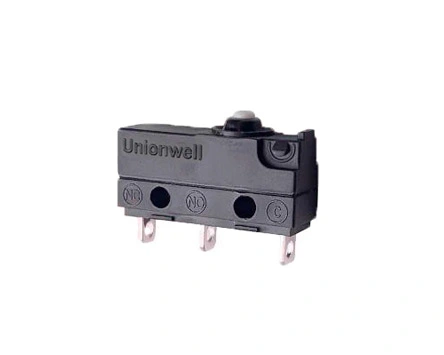
Humidity is another critical factor. High humidity can cause corrosion of internal metal components and reduce insulation performance, leading to short circuits, leakage, and decreased reliability. For devices used in humid conditions—such as bathroom appliances or marine engineering equipment—tiny micro switches with excellent moisture and water resistance should be selected. These often feature sealed structures and anti-corrosion coatings to resist moisture intrusion, ensuring consistent operation and extended service life.
Additionally, dust, vibration, and electromagnetic interference (EMI) should not be overlooked. In dusty environments, particles may accumulate between contacts, impairing conductivity, increasing actuation resistance, or even jamming the mechanism. In high-vibration settings, internal components may loosen or shift, altering contact pressure and spacing, which can result in false triggering or poor connectivity. In environments with strong electromagnetic interference, external signals may disrupt the switch's normal on/off logic. To mitigate these risks, it is important to choose tiny micro switches with dust covers, anti-vibration structures, and strong electromagnetic compatibility.
Brand Reputation Adds Assurance to the Selection Process
When selecting tiny micro switches, brand reputation and market credibility are key factors to consider. Renowned manufacturers typically possess strong R&D capabilities, advanced manufacturing processes, and rigorous quality control systems. Their products, tested and proven by the market over time, are more likely to meet diverse operational frequency and longevity requirements.
Unionwell, for example, has a dedicated R&D team committed to continuous technological innovation and performance optimization. With advanced production equipment and stringent quality inspection systems, Unionwell ensures that every batch of products meets high-standard specifications, delivering exceptional consistency and reliability.
Unionwell micro switches are widely used in the automotive manufacturing sector, earning the trust of automakers through their outstanding durability and high-frequency stability. They are also well established in the precision electronic instrumentation market, recognized for precise actuation response and long operational lifespan.
In summary, selecting the right micro switch requires a comprehensive evaluation of environmental factors, brand reputation, and performance requirements. Only by accurately matching each specification can users choose the most suitable switch, ensuring reliable and stable operation within the device. This not only enhances equipment efficiency and longevity but also provides a superior user experience, reduces maintenance costs, and supports the smooth advancement of various projects.
Factory Address:No. 9 Park Avenue, Longmen County, Huizhou City, Guangdong Province, China
+86-13431874643
We use cookies to offer you a better browsing experience, analyze site traffic and personalize content. By using this site, you agree to our use of cookies.
Visit our cookie policy to learn more.
 English
  français
  Deutsch
  Español
  italiano
  português
  tiếng việt
  Türkçe
  slovenský
  slovenčina
  беларускі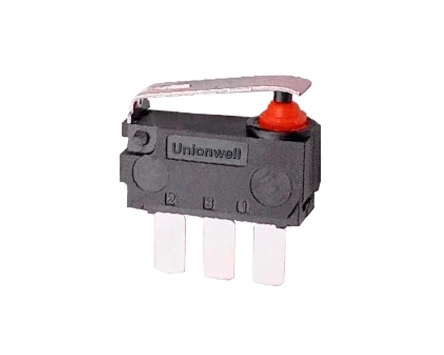
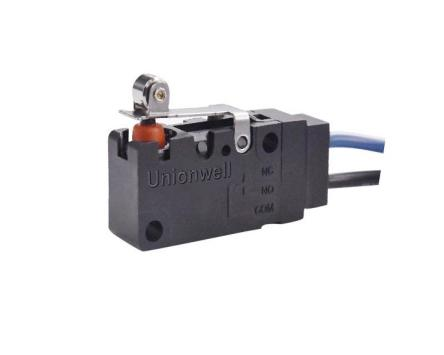
Global_Safety_Approvals_Basic_Micro_Switch_G5.webp "Global Safety Approvals Basic Micro Switch G5")