 English
  français
  Deutsch
  Español
  italiano
  português
  tiếng việt
  Türkçe
  slovenský
  slovenčina
  беларускі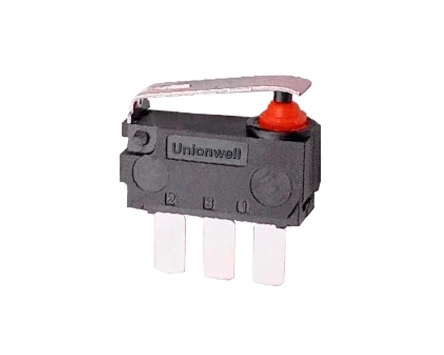
Global_Safety_Approvals_Basic_Micro_Switch_G5.webp "Global Safety Approvals Basic Micro Switch G5")


RM1311, Renfeng Building, No. 490, Tianhe Road, Tianhe District, Guangzhou, Guangdong, China, 510630.
Factory Address:No. 9 Park Avenue, Longmen County, Huizhou City, Guangdong Province, China

As the global electric vehicle (EV) fleet expands, the safety of the charging interface has become a top priority. While much attention is paid to the charging pile, the Vehicle-Side Charging Port (the socket on the car) is equally critical. To prevent accidental disconnection, arcing, or theft of the charging cable, modern EVs are equipped with a motorized Electronic Lock. This smart mechanism ensures the charging gun remains securely engaged until the driver decides to unplug. At the heart of this security system lies a small but vital component: the micro switch.
The Market: A Growing Necessity. With the rapid adoption of EVs, the demand for secure charging interfaces is surging. The electronic lock has become a standard configuration in new energy vehicles to meet safety regulations and user expectations. It serves as the physical "handshake" between the car and the grid.
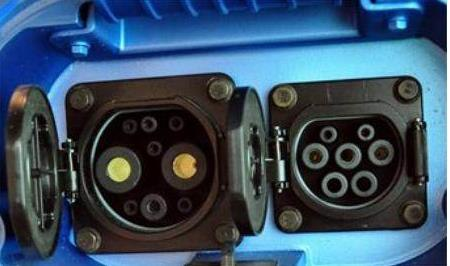
Unlike charging gun locks controlled by the pile, the Vehicle-Side Electronic Lock is intelligent and integrated with the car’s central locking system.
1. The Locking Logic (Secure & Charge)The process is seamless for the user:
Action: The driver plugs in the charging gun and locks the car doors (usually via the key fob).
Trigger: The "Car Door Locked" signal activates the control logic.
Actuation: The system triggers the micro switch, which commands the electronic lock pin to extend.
Result: The pin inserts into the lock hole, physically blocking the mechanical latch of the charging gun. This ensures the gun cannot be unplugged while the car is locked and charging.
2. The Unlocking Logic (Safety First)To prevent arcing caused by hot-unplugging:
Action: The driver presses the "Unlock" button on the car key.
Signal: The Body Control Module (BCM) receives the signal and commands the micro switch to deactivate.
Retraction: The electronic lock pin retracts, freeing the mechanical latch.
Release: The user can now press the button on the charging gun and safely remove it.
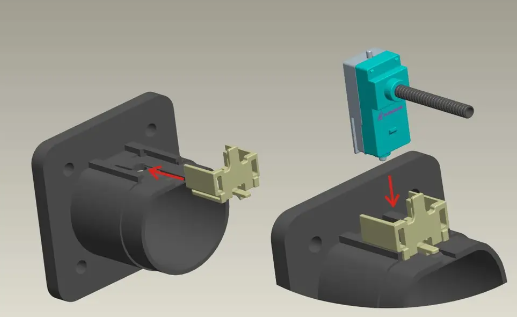
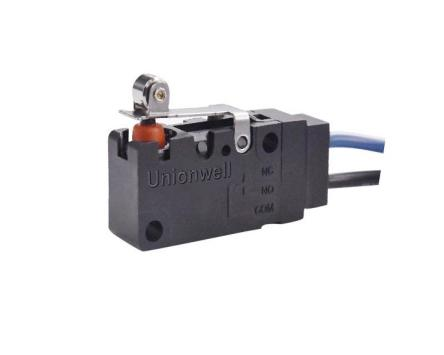
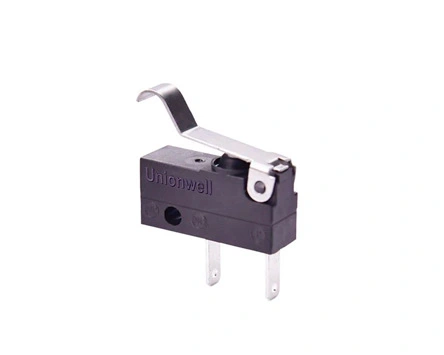
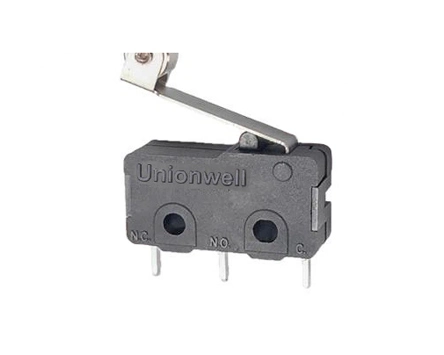
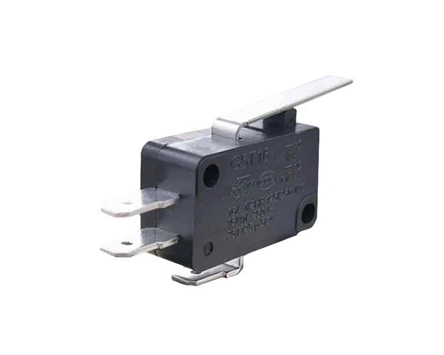
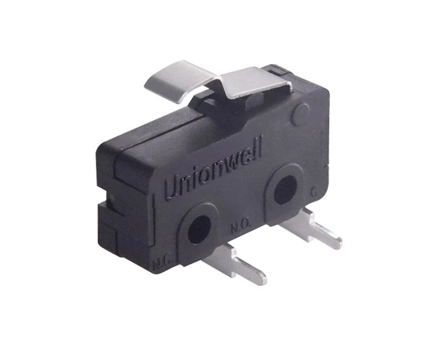
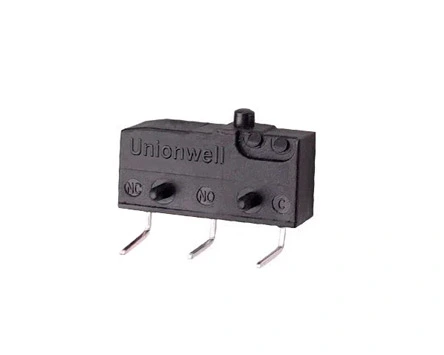
The charging port is located on the vehicle's exterior, exposed to rain, dust, washing jets, and temperature extremes. A failure here means the driver might be unable to unplug their car and drive away. Unionwell’s waterproof micro switch is the industry standard for this application:
IP67 Sealed: Completely protected against dust and water ingress, ensuring the lock functions in any weather.
Precise Feedback: Provides accurate state detection (Locked vs. Unlocked) to the BCM, preventing system errors.
Durability: Engineered to withstand the mechanical shock and vibration of daily driving.
The vehicle-side electronic lock is a small guardian that ensures charging safety and convenience. Unionwell’s micro switches provide the reliable "nervous system" that allows this lock to communicate perfectly with your car.
Contact Unionwell micro switch manufacturer for automotive-grade, waterproof switching solutions tailored to your EV design.