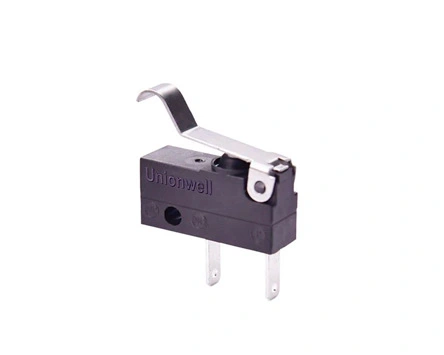
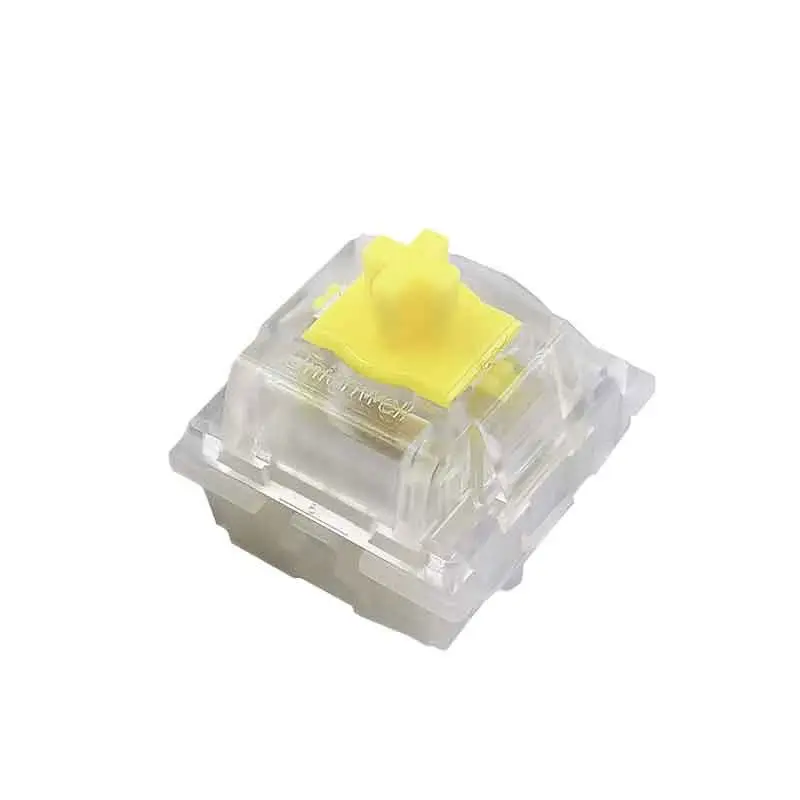
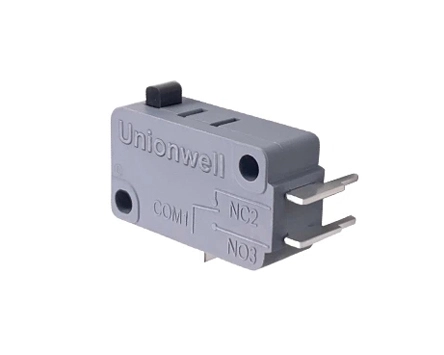
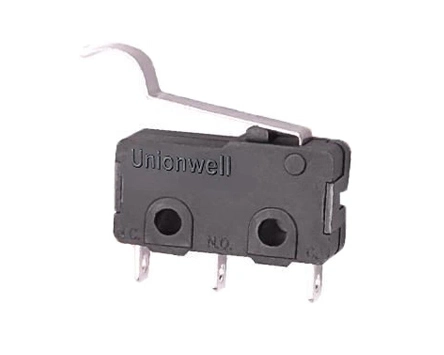
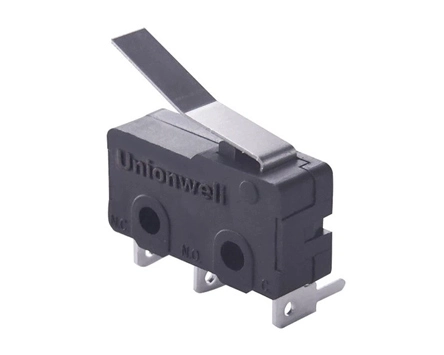
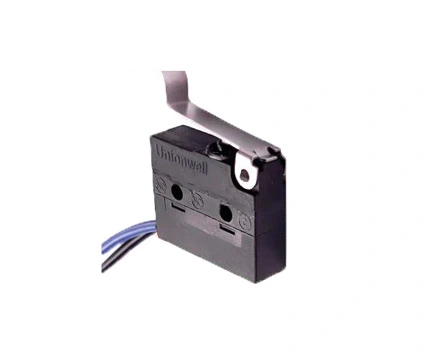
Snap action micro switches are among the most reliable components in modern electronics and machinery. Yet even the best switches eventually fail. Understanding why micro switches fail helps engineers, maintenance teams, and OEMs extend equipment life, reduce downtime, and lower costs.
As a leading micro switch supplier, Unionwell has analyzed thousands of field failure cases. This guide reveals the most common failure modes with real data, practical prevention strategies, and expert recommendations.
Top 6 Common Causes of Micro Switch Failure
Micro switches usually fail because one or more operating conditions exceed the design limit. The most common causes are easy to understand once you separate electrical, mechanical, and environmental stress.
Electrical overload
When current or voltage is too high, the contacts can arc, heat up, and degrade. Over time, this causes contact resistance to rise, intermittent operation, or complete contact welding.
This is especially common in high-cycle equipment or in circuits without proper load management. Even if a switch is rated for a certain load, repeated switching under harsh conditions can shorten its real-world life.
Mechanical wear
A micro switch relies on a precise snap action mechanism, where the internal spring and actuator work together to achieve fast and accurate switching. Excessive force, overtravel, or repeated cycling can fatigue the mechanism.
Mechanical wear often appears as a weak click, inconsistent actuation point, or failure to return to the normal state. In high-volume applications, this is one of the most frequent causes of failure.
Dust, moisture, and contamination
Dust, oil, moisture, and chemical residue can enter the switch body and interfere with contact movement. In some cases, contamination causes poor conductivity; in others, it blocks the actuator completely.
This is why sealed designs such as a hermetically sealed micro switch are critical in outdoor, kitchen, automotive, and industrial environments. A switch that performs well in a clean lab may fail quickly in a real production site without proper sealing protection.
Misalignment
If the actuator is not hit at the correct angle or position, the switch may only be partially triggered. That creates inconsistent operation and can damage the lever or housing over time.
Misalignment is common after equipment vibration, poor installation, or design changes. It is often mistaken for a “bad switch” when the actual issue is mounting accuracy.
Vibration and shock
Repeated vibration can loosen mounting points and create micro-movements inside the device. Shock loads can also deform the actuator or shift internal components.
In automotive and machinery applications, vibration is a major hidden stress. A switch may pass initial testing but fail after months of continuous movement.
Temperature extremes
Heat can accelerate material aging, while low temperatures can make plastics brittle and slow down the mechanism. Both can reduce contact reliability.
If the application sees wide temperature swings, the switch should be selected with environmental margin, not just basic electrical compatibility.
Micro Switch Failure Comparison
Failure Cause
Common Symptoms
Typical Result
Prevention Method
Electrical overload
Heat, arcing, unstable contact
Contact welding or high resistance
Match load rating and reduce inrush current
Mechanical wear
Weak click, inconsistent actuation
Lost snap action
Use a higher-life-rated switch
Dust and moisture
Sticking, corrosion, intermittent signal
Unreliable switching
Choose sealed or waterproof models
Misalignment
Partial trigger, missed input
False readings or actuator damage
Improve mounting accuracy
Vibration and shock
Loosened parts, unstable operation
Early failure in the field
Use anti-vibration design and secure mounting
Temperature extremes
Slow response, brittle housing
Reduced service life
Select temperature-rated materials
How to Prevent Micro Switch Failure
Prevention starts with matching the switch to the application instead of treating it as a generic part. The best results come from a combination of correct selection, proper installation, and basic maintenance.
Select the right rating
Always check voltage, current, operating force, and electrical life. A switch that works in a low-current signal circuit may not survive in a motor control or inductive load application.
If the switch is being used in a critical system, leave extra margin rather than running at the edge of the rating.
Use the right protection level
If the switch is exposed to water, dust, or oil, sealed protection is essential. In harsh environments, an unsealed product may fail long before its expected mechanical life.
For many industrial buyers, this is the difference between a short-term replacement and a long-term solution.
Improve mounting and alignment
Use a stable bracket, consistent actuator position, and proper travel clearance. A good switch can still fail if the application forces it into the wrong mechanical position.
During installation, check that the actuator is pressed in a straight and repeatable manner.
Reduce electrical stress
Use suppression methods where necessary, especially in inductive circuits. This helps reduce arcing and extends contact life.
If your system switches frequently, a micro switch for sale listing should not be judged by unit price alone. The lower-cost option may become more expensive once downtime and replacement labor are included.
Inspect regularly
Periodic inspection can catch wear before failure becomes visible to the user. Look for changes in click feel, inconsistent operation, loose mounting, corrosion, or physical damage.
In maintenance-heavy facilities, even a quick scheduled check can prevent larger downtime events.
Why Choose a Professional Micro Switch Supplier?
Unionwell stands out with:
Annual capacity of over 400 million units
Certifications: UL, ENEC, IATF16949, ISO9001
Custom solutions for OEM/ODM projects
Consistent quality that helps customers reduce field failure rates significantly
FAQ
1. What is the most common reason micro switches fail?
Electrical overload and mechanical wear are among the most common causes, especially in high-cycle applications.
2. How can I tell if a micro switch is failing?
Common signs include inconsistent triggering, weak click feel, intermittent signals, or visible corrosion.
3. Do sealed micro switches last longer?
Yes, in dusty, humid, or oily environments, sealed designs usually last longer because contamination is reduced.
4. Can vibration damage a micro switch?
Yes. Repeated vibration can loosen mounting points, shift alignment, and damage internal components over time.
5. Should I choose a higher-rated micro switch than I need?
In many cases, yes. Extra electrical and mechanical margin can improve reliability and extend service life.
6. Why buy from a professional micro switch supplier?
A professional supplier can provide better product consistency, technical support, and application matching, which reduces failure risk.
Conclusion
Micro switches fail for understandable reasons, and most failures can be prevented with the right combination of selection, installation, and maintenance. Electrical overload, mechanical wear, contamination, misalignment, vibration, and temperature stress are the main risks.
For engineers and buyers looking for a dependable micro switch supplier, Unionwell can support projects that need better reliability, better fit, and better long-term performance. If your application needs a durable micro switch for sale solution, the smartest approach is to choose based on real operating conditions, not just the lowest initial cost.
Factory Address:No. 9 Park Avenue, Longmen County, Huizhou City, Guangdong Province, China
+86-13431874643
We use cookies to offer you a better browsing experience, analyze site traffic and personalize content. By using this site, you agree to our use of cookies.
Visit our cookie policy to learn more.
 English
  français
  Deutsch
  Español
  italiano
  português
  tiếng việt
  Türkçe
  slovenský
  slovenčina
  беларускі
Global_Safety_Approvals_Basic_Micro_Switch_G5.webp "Global Safety Approvals Basic Micro Switch G5")