 English
  français
  Deutsch
  Español
  italiano
  português
  tiếng việt
  Türkçe
  slovenský
  slovenčina
  беларускі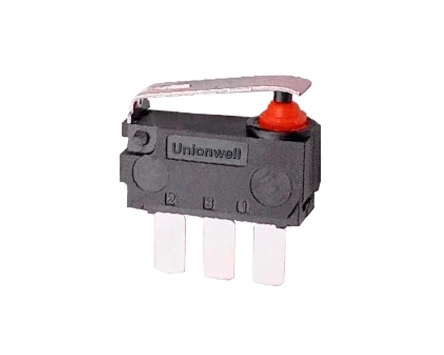
Global_Safety_Approvals_Basic_Micro_Switch_G5.webp "Global Safety Approvals Basic Micro Switch G5")








RM1311, Renfeng Building, No. 490, Tianhe Road, Tianhe District, Guangzhou, Guangdong, China, 510630.
Factory Address:No. 9 Park Avenue, Longmen County, Huizhou City, Guangdong Province, China

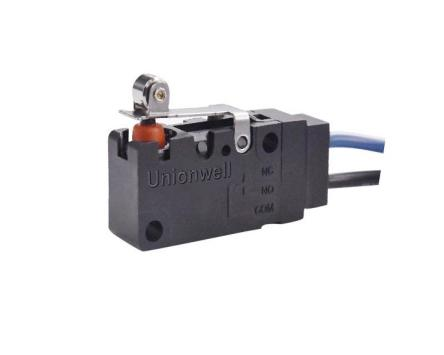
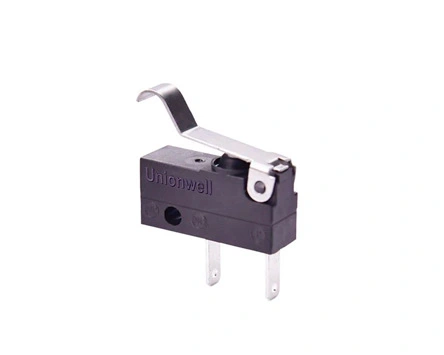
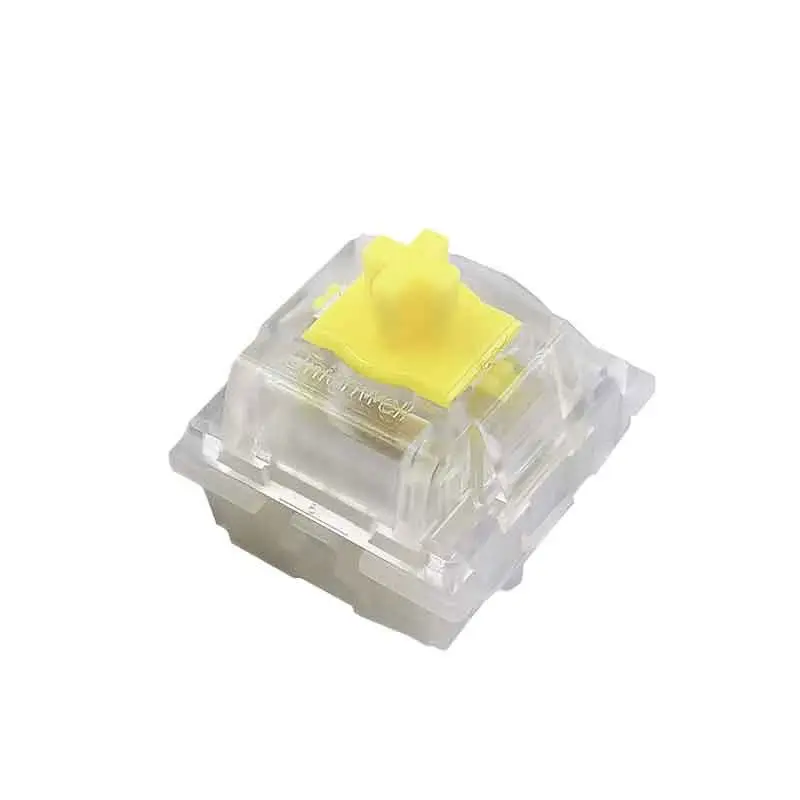
Micro switches are commonly used in new energy fields such as charging piles, charging guns, and new energy vehicles. They are applied in new energy vehicles, charging piles, charging guns, and related charging systems, undertaking important functions such as position detection, safety interlocking, door/cover detection, lock confirmation, and signal feedback. However, with the rapid development of new energy vehicles and charging infrastructure, the requirements for the safety, reliability, and long-term stable operation of micro switches are constantly increasing. For example, there is a need for waterproof micro switch, snap action micro switch, and subminiature micro switch.
This page will detail typical application scenarios of micro switches in charging guns, charging piles, and related charging equipment, helping you understand the technical requirements of different systems for micro switches and key selection criteria. For information on micro switches in new energy vehicles, please visit our automotive switch page.
High protection (IP67)——Possessing excellent dust and water resistance, it can operate stably in humid, dusty, and outdoor environments, suitable for charging interfaces and outdoor charging equipment.
High reliability——Employing a stable contact structure design to ensure consistent signal output even under high-frequency operation and complex electrical environments.
Long lifespan performance——Meeting the long-term cyclic operation requirements of new energy vehicles and charging equipment, reducing maintenance and replacement costs.
Compact design——Suitable for space-constrained installation environments, facilitating integration into charging gun locking mechanisms and on-board actuators.
Precise actuation characteristics——Providing a clear trigger point and high repeatability, ensuring the accuracy of system status detection and safety interlocking.
Industry certification support——Compliant with relevant automotive and industrial application standard certification requirements, meeting OEM and international market access conditions.
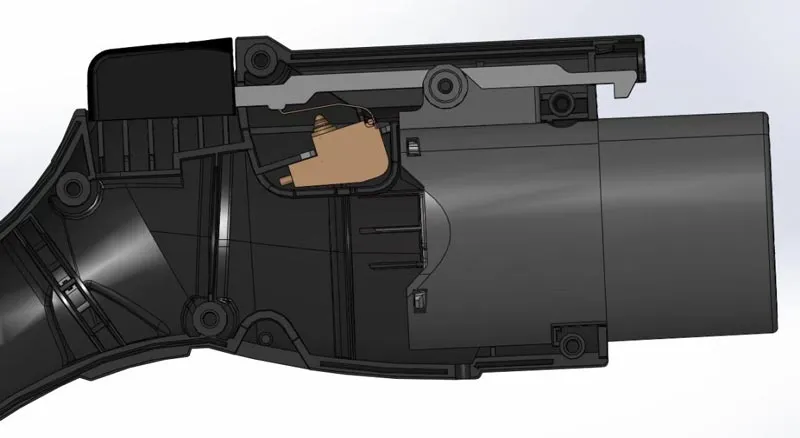
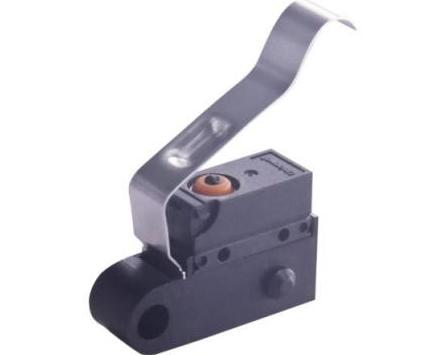
| Charging GunIn the charging gun locking and unlocking mechanism, the G303 charging gun micro switch is installed inside the button assembly. When the user presses the release button with a safety hook, the mechanical structure drives the lever downwards, triggering the switch and switching the circuit state. The controller determines the charging gun's connection, locking, and unlocking status by identifying changes in resistance values. As a critical micro switch, its operational accuracy and contact reliability directly affect the safety interlocking function during charging, preventing the risks of live plugging/unplugging and misoperation. |
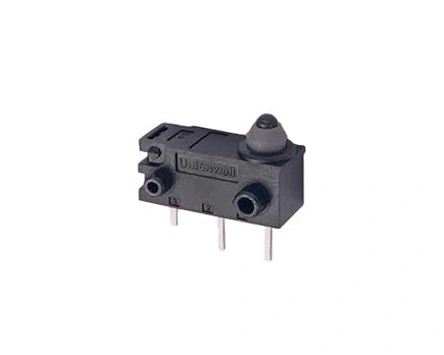
Charging Pile Micro SwitchIn the charging pile access control system, the G605 new energy micro switch is typically installed inside the cabinet door as a door opening/closing status detection element. When the door is normally closed, the switch maintains a specific signal output; In the event of abnormal opening, unauthorized disassembly, or the maintenance door not being closed, the micro switch immediately changes its contact state and sends an alarm signal to the control system, triggering an audible and visual alarm. This design effectively improves the operational safety and equipment protection level of the charging pile and is an important component of the charging pile security monitoring system. |  |
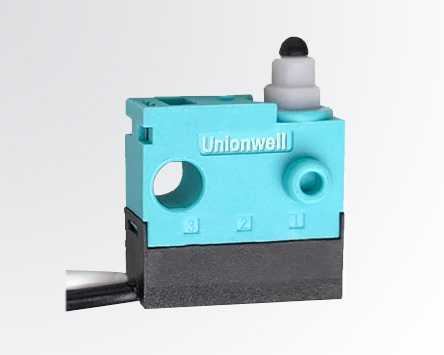
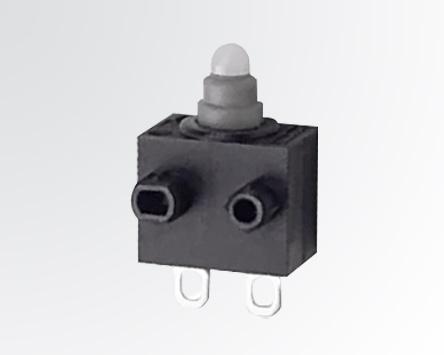
 | Micro Switches For New Energy VehiclesIn the electronic lock system of the charging port of new energy vehicles, the G10B automotive micro switch is mainly used for detecting and controlling the locking status of the charging port. When the vehicle is locked, the body controller sends a signal to drive the electronic lock mechanism. The micro switch provides real-time feedback on the position of the locking pin, ensuring that the pin accurately extends into the lock hole and forms a double lock with the mechanical latch, preventing the charging gun from accidentally falling off during charging. During unlocking, the controller controls the locking pin to retract based on the feedback signal from the automotive micro switch, subsequently allowing the mechanical lock to release, thus achieving a safe and reliable charging gun removal process. It is a crucial control component for the safety management of new energy vehicle charging. |
20 Years of Micro switch Manufacturing ExperienceUnionwell has been deeply involved in the micro switch industry for over 20 years, accumulating rich experience in product R&D, manufacturing, and application in the new energy micro switch field. |  |
Automated ProductionOver 80% of the factory's production processes are completed using automated equipment, achieving standardized production from stamping and injection molding to assembly and testing. This improves product consistency and batch delivery capabilities. | |
Professional Engineering TeamThe company has several senior engineers with over 30 years of industry experience, possessing the capability to develop automotive and new energy micro switches. We can provide professional technical support and solutions tailored to customers' actual application environments. | |
Comprehensive Certification SystemThe company has passed ISO9001 quality management system and IATF16949 automotive industry quality management system certifications, and many products have obtained UL, cUL, and other international certifications. |
Micro switches are widely used in charging port locking mechanisms, door systems, battery pack detection modules, electronic lock mechanisms, and various position detection devices.
For outdoor and high-humidity environments, it is generally recommended to choose charging gun micro switches with IP65 and IP67 protection levels or higher.
Automotive micro switches have higher requirements for temperature adaptability, vibration resistance, reliability, and consistency, and must meet automotive industry quality standards.
Common requirements include ISO9001, IATF16949, UL, cUL and other certifications to meet the supply chain requirements of the automotive and new energy industries.
Selection should comprehensively consider factors such as protection level, mechanical life, electrical parameters, installation space, operating force, and actual working environment. For specific selection advice, please contact the Unionwell technical team.